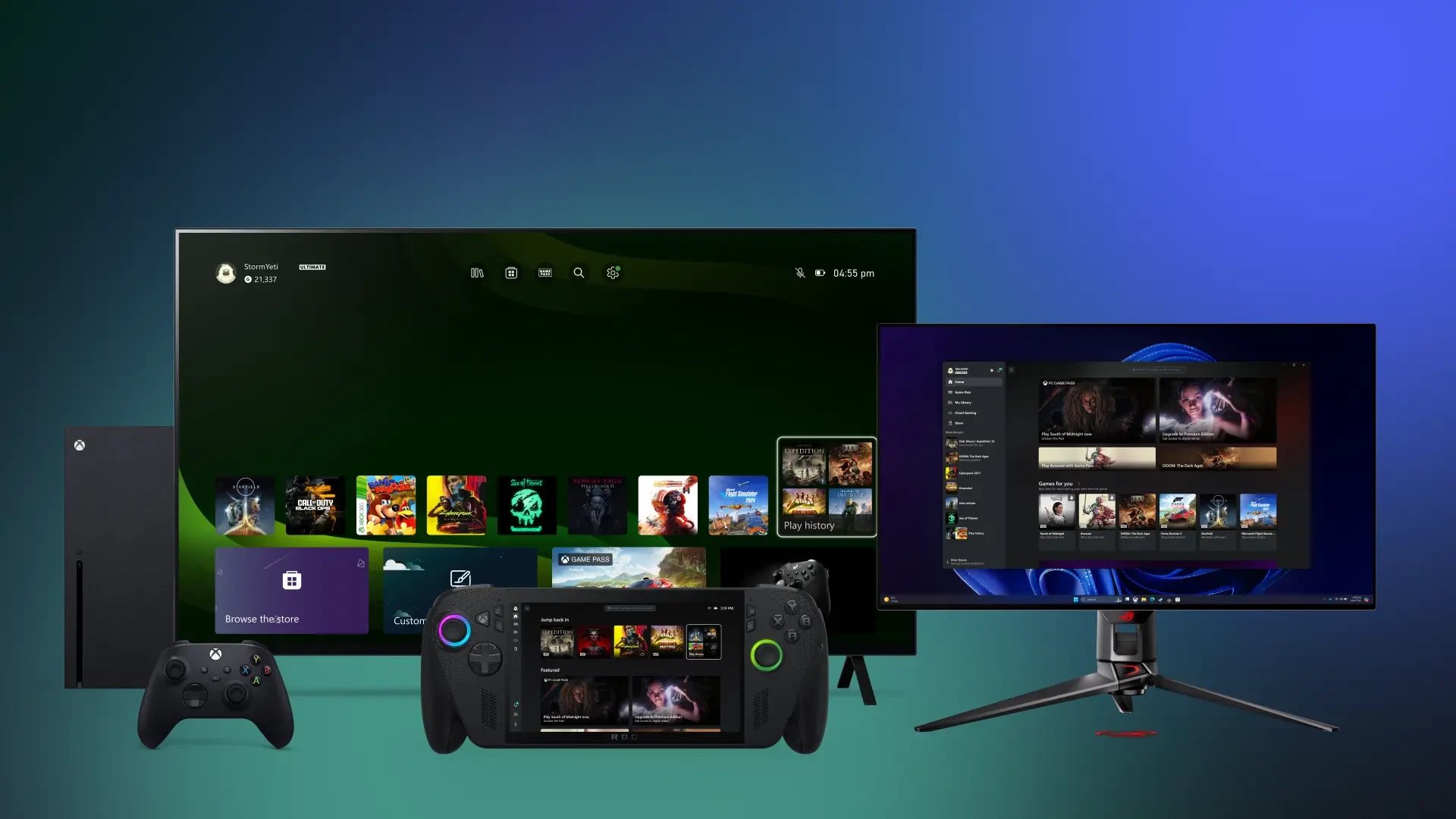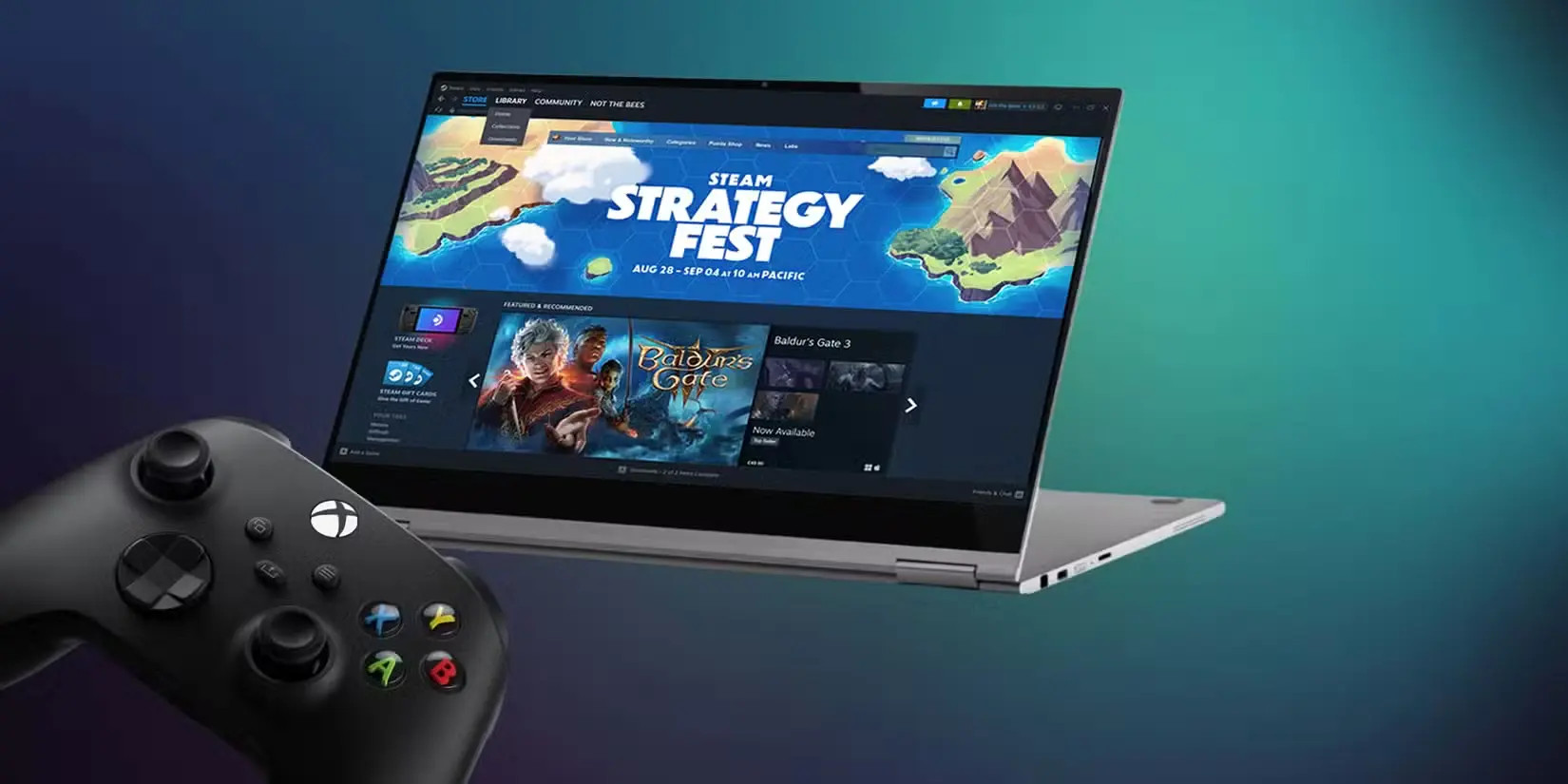

Cloud gaming is no longer just a sci-fi concept for the tech-savvy. Services like Xbox Cloud Gaming, GeForce Now, and Amazon Luna are proving daily that a high-end gaming experience doesn’t require a bulky console or a pricey PC. All you need is a stable internet connection and virtually any screen. Just as Netflix pushed DVDs to the sidelines, cloud gaming is preparing to phase out traditional hardware as we know it.
The Current Kings of the Cloud: Who Leads the Market?
The cloud gaming market is experiencing exponential growth, with major players investing billions of dollars. Each platform relies on a slightly different business model:
| Platform | Owner | Key Features |
| Xbox Cloud Gaming | Microsoft | Game Pass integration, cross-platform progress |
| GeForce Now | NVIDIA | RTX technology (Ray-tracing), Steam library support |
| Amazon Luna | Amazon | AWS infrastructure, deep Twitch integration |
| PlayStation Now | Sony | PS exclusive titles, backward compatibility |
Technical Milestones: 8K and Instant Response
The future of the cloud stands on two pillars: image quality and the elimination of latency. Thanks to advanced codecs like AV1 and the massive rollout of 5G and 6G networks, we will soon see latency drop below 20ms—a value virtually indistinguishable from local play to the human eye. The key will also be Edge Computing, with servers located in every major city to ensure data travels the shortest possible distance to the player.

Gaming in Cars and on Fridges: Total Integration
Cloud gaming is becoming an integral part of the smart device ecosystem. It’s no longer just about mobiles and PCs.
- Smart TVs: Apps like the Samsung Gaming Hub turn your TV into a console without needing an extra box.
- Automotive: Gaming in Teslas or other EVs while charging is becoming a standard feature.
- VR and AR: The cloud will allow lightweight VR headsets to render complex worlds without needing a heavy processor directly on the user’s head.

AI as the Cloud’s Secret Weapon
Artificial Intelligence (AI) will revolutionize optimization. Predictive streaming powered by AI can anticipate a player’s next move and pre-prepare data for that action, effectively neutralizing perceived latency. AI will also automatically adjust image quality based on current network loads to ensure the game never stutters.

Global Expansion and Accessibility
Microsoft and its competitors plan to expand cloud services to new regions, focusing on localized data centers and partnerships with local ISPs. The goal is “Democratized Gaming”—making high-end titles accessible regardless of local hardware prices or geographic location.
Editor’s Take
We view cloud gaming as the ultimate democratization of play. The ability to run the latest blockbuster on an old laptop or even in a browser at work (shh!) is simply incredible. The biggest hurdles remain data caps from mobile operators and publisher licensing policies. Nevertheless, we believe that by 2030, traditional consoles will transform into simple “streaming boxes,” and physical discs will become purely a collector’s niche.
FAQ
Q: What are the minimum internet requirements for cloud gaming?
A: For smooth 1080p gameplay, we recommend at least 25 Mbps. For 4K streaming, you’ll need a stable 50+ Mbps line with latency under 40ms.
Q: Can cloud gaming be used without an internet connection (offline)?
A: Unfortunately, no. The entire principle relies on the game being processed on a remote server you must be connected to. No internet, no play.
Q: How much data does an hour of cloud gaming consume?
A: It is quite demanding—at 1080p, expect 4–8 GB per hour. At 4K resolution, consumption can soar up to 25 GB per hour of gameplay.
Q: Will cloud gaming replace classic consoles like PlayStation or Xbox in the future?
A: Likely yes, but it will be a gradual process taking 10 to 15 years. We expect a long era of hybrid solutions before the cloud fully takes over.
Q: Are these services available worldwide?
A: Most major players like Xbox Cloud Gaming and GeForce Now are available in developed markets, with expansion into developing regions accelerating as infrastructure improves.