What Happened to the ARC Raiders Auction House?
Embark Studios confirmed that the team built and nearly completed a traditional auction house system for ARC Raiders — then cut it entirely before launch. The decision was not made lightly. The feature was functional, tested, and close to shipping. But internal playtesting revealed a critical problem: once an auction house existed, players stopped caring about finding loot. They started caring about earning coins to buy it.
You might be wondering: Why would a studio throw away a finished feature? Because in extraction shooters, the loot loop is the game. If you break that loop, you break everything.
This single realization forced Embark to rethink how trading and economy would work in ARC Raiders from the ground up.
Why Did the Auction House Break the Game? 📊
The core gameplay loop in ARC Raiders revolves around one thing: go in, survive, and come out with better gear. An auction house fundamentally undermines this by offering a shortcut.
The Coin-Farming Problem
Once players could buy items through a centralized market, the most efficient path to progression shifted from:
| ❌ Old Path (Broken) | ✓ New Path (Intended) |
|---|---|
| Find loot through extraction runs | Find loot through extraction runs |
| Sell unwanted gear for coins | Trade directly with other players |
| Buy better gear from the auction house | Craft upgrades using looted materials |
| Repeat coin-farming cycle | Repeat extraction and survival cycle |
The left column turns ARC Raiders into a coin-farming grinder. The right column keeps it an extraction survival experience. The difference is everything.
Loot Became Secondary
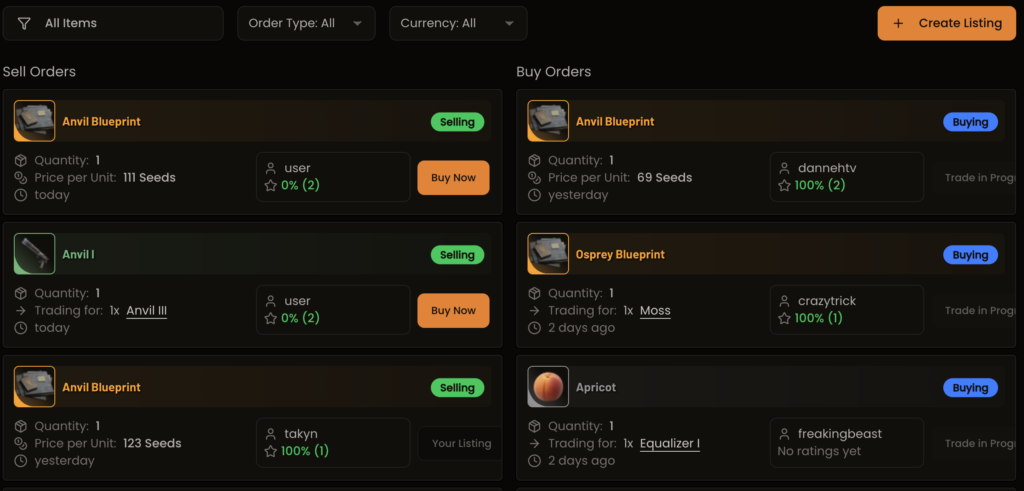
When a marketplace exists, players begin evaluating every raid not by the quality of gear they find — but by how many coins that gear is worth on the market. This is a subtle but devastating shift. Suddenly a mediocre run that nets zero usable loot feels rewarding because you can sell everything. The tension of extraction disappears.
What Is Embark Studios Doing Instead? 🎯
Rather than abandoning player-to-player interaction entirely, Embark is doubling down on two alternative systems that keep trading alive without destroying the core loop.
1. Crafting as the Primary Progression Path
Crafting is now the main way players upgrade and obtain better equipment. This means:
✓ Materials matter more than coins — Every extraction run rewards players with raw resources, not just tradeable currency
✓ Skill and knowledge are rewarded — Players who understand crafting recipes and material locations gain a real advantage
✓ Progression feels earned — You can’t simply buy your way to the top; you have to survive and gather
💡 Pro tip: Focus your early runs on collecting crafting materials rather than hunting for end-game loot. The crafting system rewards patience and consistent extraction over risky high-value raids.
2. Organic Player Trades
Instead of a centralized auction house, Embark is encouraging direct player-to-player trades. This keeps the social and economic layer of the game intact, but without the structural problems of a market system.
✓ Trades happen between players who have met in-game or through the community
✓ No coin economy to inflate or exploit
✓ No price manipulation or market dumping
✓ Trading remains a social activity, not a grind mechanic
Why This Matters Beyond ARC Raiders ⚠️
The auction house cancellation is not just an internal design decision — it’s a statement about the broader health of extraction shooter economies.
The Amazon Problem 📈
Games with centralized marketplaces — particularly on platforms like Amazon or eBay — often attract a toxic ecosystem that extends far beyond the game itself:
❌ Real-money trading (RMT) — Players sell in-game items for actual currency, bypassing developer-intended progression
❌ Boosting services — Third-party services offer to carry players through content or inflate their rank for a fee
❌ Market manipulation — Bot farms and coordinated buyers artificially control prices, making the economy unplayable for casual players
❌ Pay-to-win dynamics — The game stops being about skill and survival, and starts being about who can spend the most money
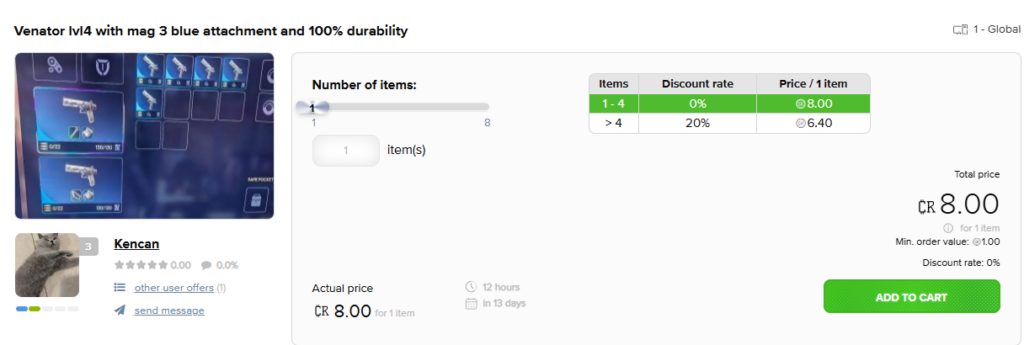
A common mistake is assuming that a marketplace automatically creates a healthy player economy. In practice, centralized markets in live-service games almost always attract exploitative third-party services within weeks of launch.
Embark’s decision to cut the auction house is a deliberate attempt to keep ARC Raiders immune to these problems from day one.
Crafting + Organic Trades = Healthier Economy
The combination of crafting-focused progression and direct player trades creates an economy that is:
| Feature | Auction House | Crafting + Organic Trades |
|---|---|---|
| Vulnerable to RMT | ✓ High risk | ❌ Minimal risk |
| Attracts boosting services | ✓ Very likely | ❌ Unlikely |
| Preserves loot loop | ❌ Breaks it | ✓ Keeps it intact |
| Encourages player interaction | ✓ Yes, but impersonal | ✓ Yes, and meaningful |
| Rewards extraction skill | ❌ Undermines it | ✓ Core mechanic |
What Does This Mean for Players? 🎮
If you’re planning to play ARC Raiders, here’s what the auction house cancellation actually means for your experience:
- Loot is king again — Every run matters. What you find is what you use or trade.
- Crafting is your main progression engine — Invest time in learning recipes and efficient material routes.
- Trading still exists — Just not through a centralized market. Build relationships, join communities, and trade directly.
- No pay-to-win risk — The studio has proactively removed the biggest vector for monetization exploitation.
Final Summary
Embark Studios made a bold and rare move by cancelling a nearly finished auction house system. The reason was simple: it made ARC Raiders about farming coins instead of finding loot. By replacing it with crafting-based progression and organic player trades, the studio is protecting the extraction gameplay loop that makes the game worth playing — and shielding it from the toxic monetization ecosystems that plague so many live-service titles today.
This is not just good game design. It’s a signal that Embark understands what players actually want from extraction shooters: tension, survival, and gear that feels earned.
FAQ
Q: Was the ARC Raiders auction house ever playable? A: Yes. The auction house was nearly fully developed and underwent internal playtesting before Embark decided to cut it. It was functional — but it broke the core gameplay loop.
Q: Can players still trade items in ARC Raiders? A: Yes. Embark is supporting organic, player-to-player trades. The goal is to keep trading social and decentralized rather than routing everything through a centralized market.
Q: Why do auction houses cause problems in extraction shooters? A: Centralized markets shift player focus from finding loot to farming currency. They also open the door to real-money trading, boosting services, and market manipulation — all of which destroy the intended progression and competitive experience.
Q: Does this mean ARC Raiders will have no economy? A: No. The economy will be built around crafting materials and direct trades. Players will still interact economically — just without a marketplace that can be exploited or gamed.
Q: Will Embark ever add an auction house back? A: There is no public indication that the team plans to revisit this decision. The cancellation was framed as a core design philosophy choice, not a temporary delay.