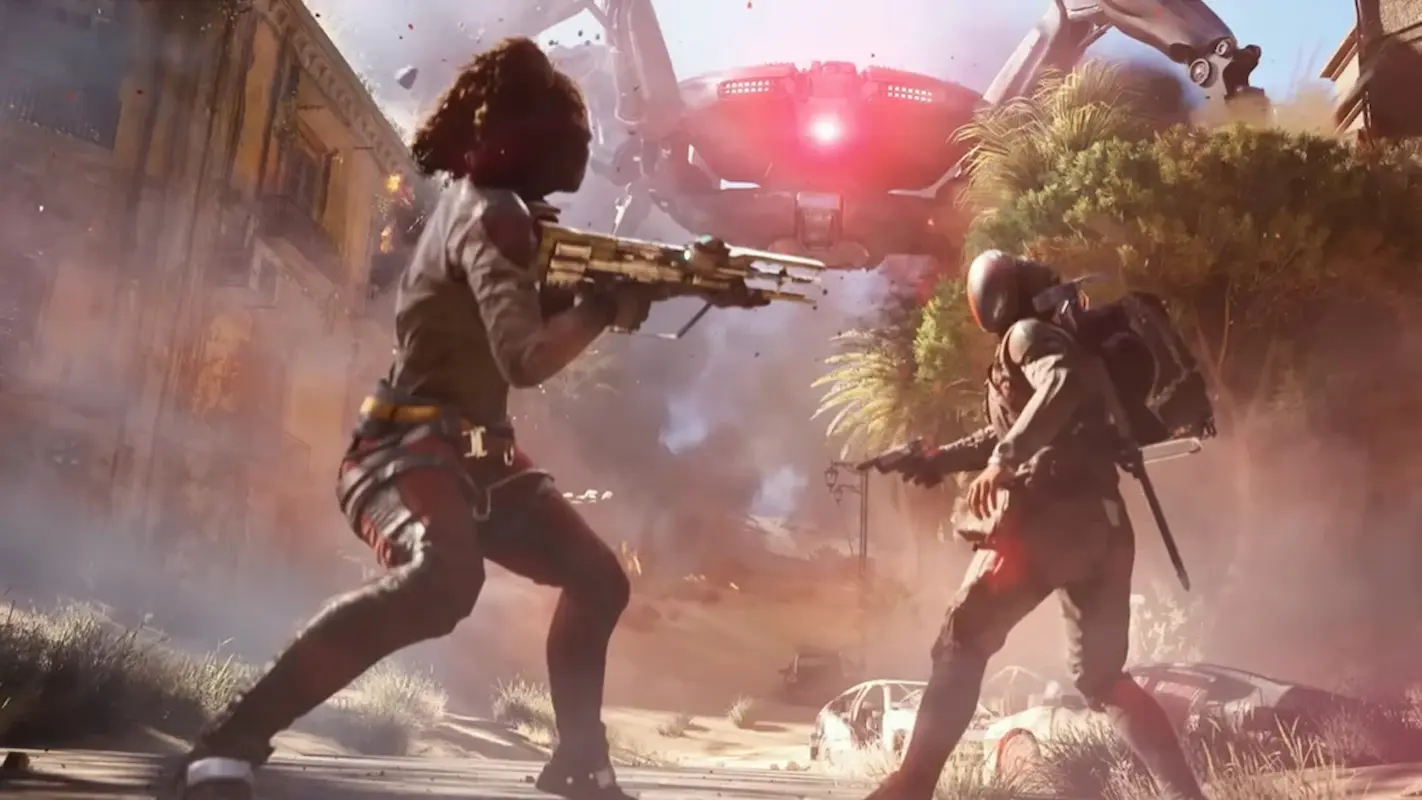

So What’s Actually Going On With ARC Difficulty?
If you spend any time on forums or Discord servers dedicated to ARC Raiders, you’ve almost certainly run into the wave of players convinced that ARC units are tankier, more aggressive, or generally more dangerous than they were at launch. Some describe drones that feel like they’re soaking up bullets, others point to spawn frequency as the culprit. The result? A mess. No consensus, no specific patch to point at — just a collective gut feeling that something changed.
Except the truth is the exact opposite.
Embark Studios officially confirmed that ARC units haven’t received any hidden buffs since launch. What actually changed are the players themselves. Over time, the community figured out optimal engagement distances, internalized ARC health values, and mastered the weapon and equipment meta at a level that would have looked like pure tryhard behavior at release. I think, that put it plainly — as players become “more sophisticated in their approach,” the current drone set becomes “much less of a threat.”
So Why Does It Still Feel Harder Sometimes?
This is honestly the more interesting question. And the answer is psychologically more compelling than the difficulty debate itself.
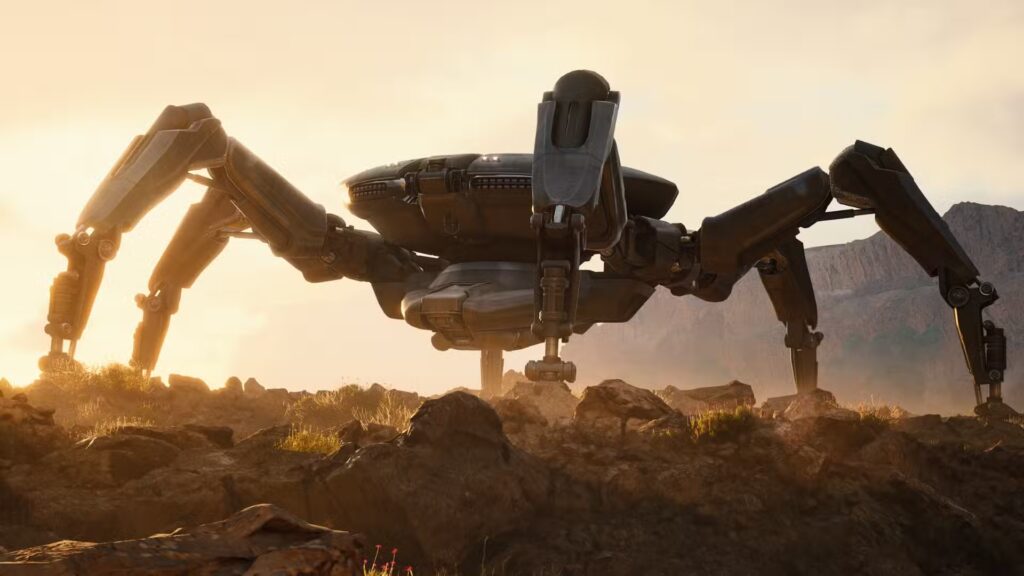
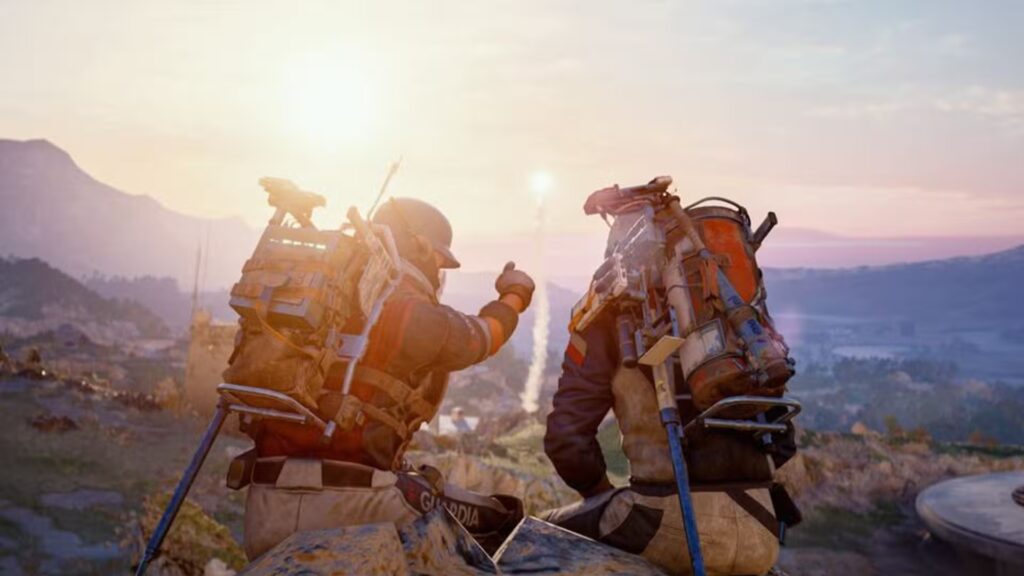
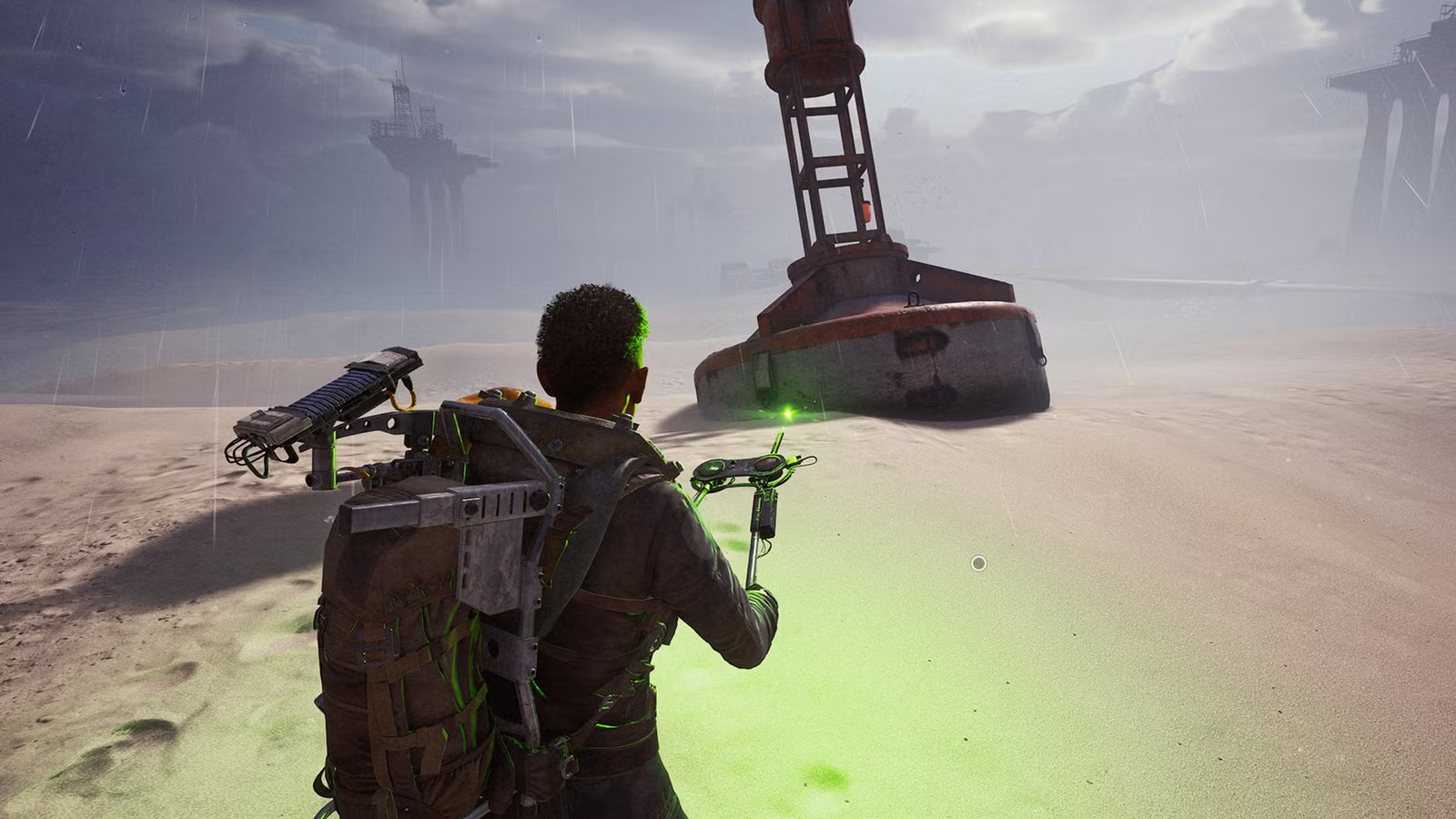
Experienced players develop automated behavioral patterns. They know when to fall back, when to push, what loadout to bring. The problem kicks in the moment concentration slips — and ARC Raiders punishes inattention efficiently. When a unit you’ve cleared cleanly across twenty previous runs suddenly puts you down, the instinct is to look for an external cause. A buff, a patch, a stealth change. The reality is usually far simpler: you made a mistake.
That’s not a criticism — it’s a natural human response. And it also shows just how well the base PvE loop is calibrated to keep players on edge even after dozens of hours.
Watkins’ Signal and Why It Matters
Here’s where the conversation gets genuinely interesting.
Watkins didn’t just debunk the hidden buff myth — he simultaneously outlined where Embark is heading. According to him, a large portion of the community has already mastered current ARC behavior, and the gap between player skill and actual drone threat level is becoming visible. No confirmed timeline or roadmap exists yet, but Watkins openly stated that the studio is exploring ways to “escalate the experience for the player on the PvE side.”
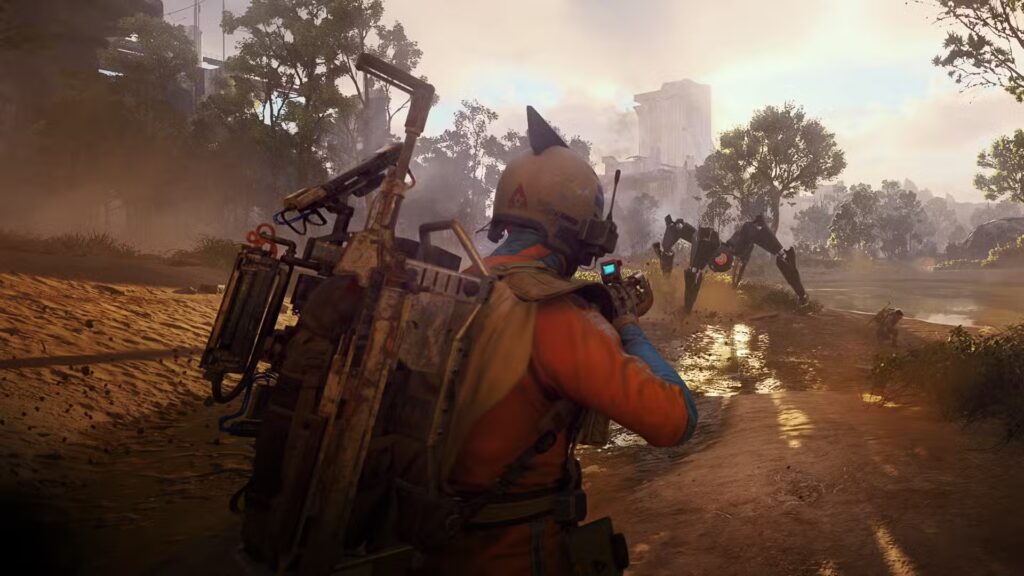
For a live-service title, this is a critical step. When the primary threat stops feeling threatening, encounters become routine — and the moment extraction starts to feel guaranteed, loot loses its meaning. Difficulty curves exist in game design for a reason, and ignoring that curve in a game built around tension and risk is a slow death sentence for long-term engagement.
What the Lore Already Tells Us
What makes this particularly interesting is that ARC escalation wouldn’t have to arrive purely as a mechanical update — it could come as a natural extension of the game’s world.
Trader quests in ARC Raiders have referenced from the start that ARC machines adapt, evolve, and produce new variants designed to pose greater threats. A period of evolutionary stagnation is mentioned — but if more raids are surviving encounters, it stands to reason the machines would respond accordingly. For once, lore and gameplay mechanics could genuinely reinforce each other in a way that makes escalation feel earned within the fiction, not just bolted on from a balance spreadsheet.
Watkins hinted at a specific distinction Embark is already considering — a split between the everyday harassment units that apply consistent pressure, and event-tier heavies like the Matriarchs that fundamentally reshape an entire battlefield. Treating those two groups differently from a development standpoint opens space for escalation without turning standard runs into a guaranteed wipe. The practical challenge, as Watkins noted, is real — dropping titanic ARC bosses into standard maps raises serious server and performance concerns that can’t be dismissed.
What “Harder ARCs” Could Actually Look Like
Escalation doesn’t have to mean another oversized unit with a doubled health pool. That’s the path of least resistance and also the least interesting design decision available.
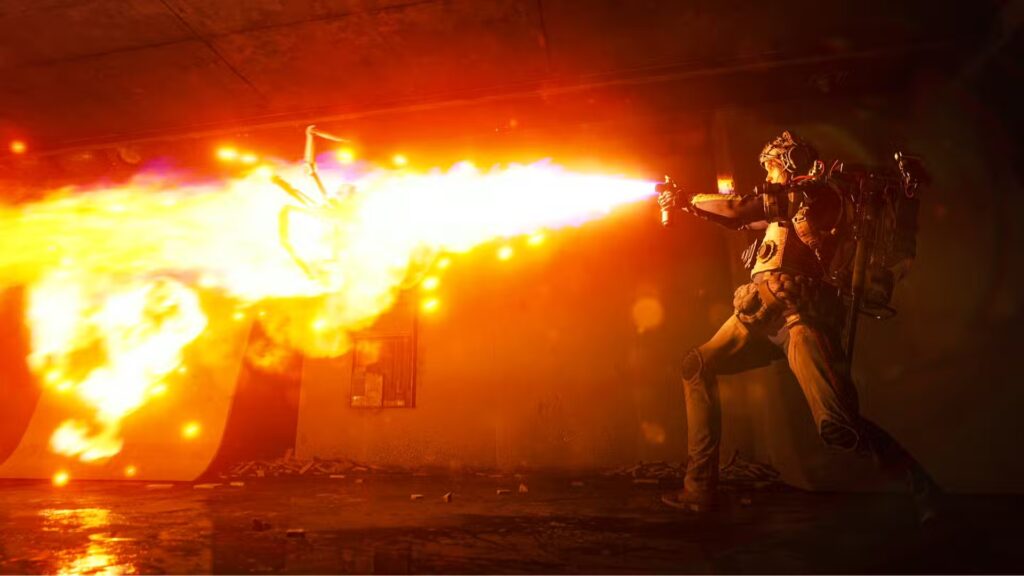
Genuinely effective ARC Raiders difficulty escalation could look like this:
- New attack patterns that directly counter predictable player behavior developed over months of play
- Subtle ARC AI adjustments that reset learned approaches and force genuine adaptation
- New unit types that alter map conditions or disrupt current loadout meta entirely
- Limited-time events built around new ARC threats framed as narrative beats within the game’s ongoing story
These are hypotheticals for now — but if Embark manages to align mechanical and narrative escalation into a single coherent package, players stop reading encounters as isolated missions and start experiencing them as part of a living world. That cohesion is often what separates games with genuine longevity from titles that burn bright at launch and quietly fade out six months later.
Verdict: ARCs Haven’t Changed — But Stay Ready
No specific confirmed changes are coming to ARC Raiders right now. What exists concretely is a clear signal from Watkins that PvE escalation is a growth priority, and a community that’s already starting to feel the ceiling of the current challenge. Players sensing that the pressure is rising may be reacting more to their own mistakes than to any hidden buff — but the real shift could arrive sooner than anyone expects.
ARC Raiders has a foundation worth building on. Implementation will be everything — stat padding has its uses, but a thoughtful approach will always age better than a reactive one. Until then? Keep your head on a swivel. The next wasp unit that drops you might just actually be different this time.
FAQ
Q: Have ARC drones actually gotten tougher in ARC Raiders?
A: No. Embark Studios officially confirmed that ARC units haven’t received any hidden buffs since launch. Players have simply improved significantly, and current threats are handled more efficiently than they were at release.
Q: Why does it feel like ARCs are harder even though nothing changed?
A: Most likely because you’ve developed automated behavioral patterns — and one lapse in concentration is enough to get dropped. When a unit you’ve beaten cleanly before suddenly puts you down, the instinct is to blame something external. In most cases, it’s a mistake on your end, not a stealth change on Embark’s.
Q: Is Embark actually planning to increase ARC difficulty?
A: No confirmed date or roadmap exists yet, but design lead Virgil Watkins made it clear that PvE difficulty escalation is actively being explored as a live-service growth priority.
Q: What would difficulty escalation actually mean in practice?
A: It doesn’t have to be a simple health boost. Real ARC Raiders escalation could include new attack patterns, behavioral AI changes, new unit types, or event-tier content tied directly into the game’s narrative arc.
Q: How is Embark thinking about different ARC unit types?
A: Watkins hinted at a distinction between everyday harassment units and event-tier heavies like Matriarchs. Treating those groups differently from a development standpoint allows for escalation without making standard runs unplayable.
Q: Does the game’s lore support ARC difficulty escalation?
A: Yes, and strongly so. Trader quests in ARC Raiders already reference that the machines adapt and evolve in response to human resistance. If more raiders are surviving encounters, the game’s own fiction suggests the machines should respond — which would tie mechanical changes directly into the narrative.
Q: Is ARC Raiders as a live-service title dependent on difficulty escalation?
A: To a large extent, yes. Once the primary threat stops feeling like a real threat, extraction becomes routine and loot loses value. Difficulty curves are essential to maintaining long-term tension and player motivation in any live-service game — and ARC Raiders is no exception.