What exactly is Resident Evil Requiem?
Resident Evil Requiem is the ninth mainline installment in Capcom’s long-running survival horror saga. It is an ambitious project that attempts to bridge the gap between classic horror purists and action fans by splitting its roughly 10-hour campaign into two distinct gameplay styles. You spend the first half struggling for survival as a newcomer and the second half unleashing chaos as a series legend.
The story takes place decades after the original Raccoon City incident. We follow Grace Ashcroft, a fresh FBI analyst sent to investigate mysterious deaths among Raccoon City survivors. Her investigation begins in a shuttered hotel but quickly spirals into a fight for survival within the Roadsill Chronic Care Center, a sprawling, Spencer Mansion-style sanatorium filled with horrors.
Structuring the game this way makes Requiem feel like two separate experiences stitched end-to-end. While the tension of the first half is reminiscent of Resident Evil 7, the second half leans into the cinematic action of more modern entries. The opening even utilizes an Alan Wake 2 style framing, thrusting a new face into the nightmare while a genre veteran like Leon serves as the ultimate backup.
Story & Atmosphere
The atmosphere in the Roadsill facility is oppressive and terrifying, marking a return to the series’ horror roots. Grace Ashcroft is the standout here, being the most grounded protagonist the series has ever seen. Unlike the campy, superhuman heroes of the past, Grace is panicked and underpowered, making her evolution into a survivor one of the most compelling arcs in the franchise.

The main antagonist, Victor Gideon, is a menacing presence with a disfigured face and steampunk aesthetic. He effectively makes you understand why Grace is so terrified, serving as a constant, unsettling threat throughout the labyrinthine sanatorium. The setting itself is a masterpiece of design, filled with locked doors and mutated nightmares that demand careful exploration.
The narrative is bolstered by shocking twists regarding the Umbrella Corporation and its founder. However, the game isn’t afraid to use humor to break the tension. Throughout the environment, players can find notes ranging from plot-heavy lore to self-aware jokes, such as a doctor’s report diagnosing a singing zombie with “main character syndrome”. These small details add a layer of personality that keeps the player engaged.
Gameplay & Mechanics
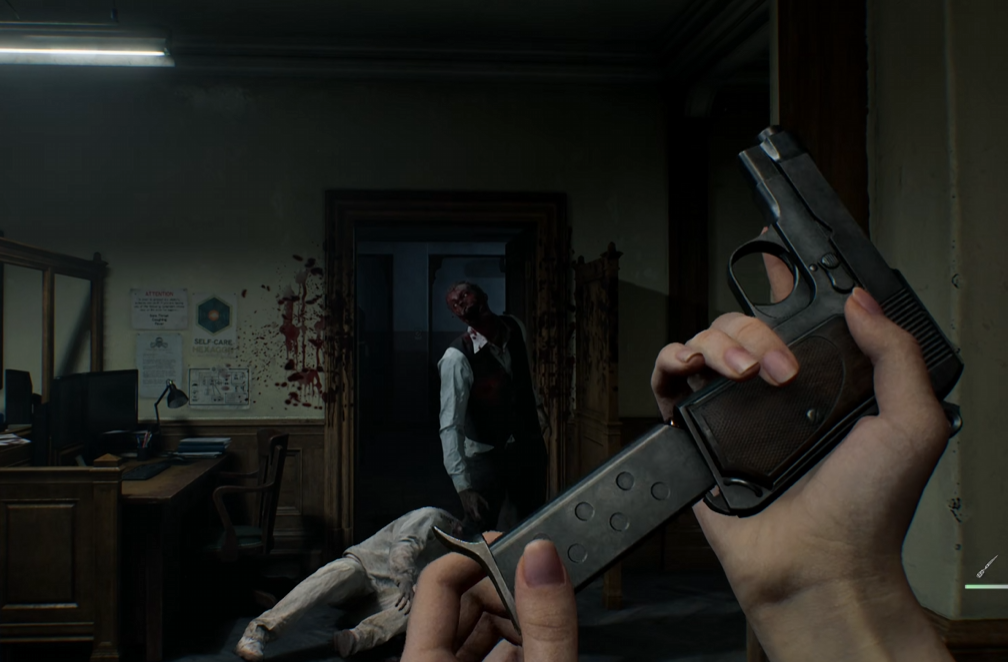
Gameplay in Requiem is a tale of two perspectives: first-person for Grace and third-person for Leon. Grace’s chapters are pure survival horror, focusing on scarce ammunition, limited inventory space, and the need for strategic path-planning. Her unique mechanic is the Blood Collector, which allows her to harvest infected plasma from corpses to craft essential items like medkits and hemolytic injectors.

The hemolytic injector is a game-changer for stealth, allowing Grace to perform gruesome kills that cause enemies to explode. It also acts as a permanent disposal tool, preventing downed zombies from reanimating or mutating later—a crucial mechanic in a game that rewards backtracking. Combat in first-person feels visceral and startling; bullets visibly tear flesh, and blood spatter persists in the environment long after a fight is over.


When the game shifts to Leon, the tone turns into a relentless action spectacle. Leon plays like his Resident Evil 4 counterpart but with even more flair, utilizing a chainsaw to carve through enemies while delivering deadpan dad jokes. The new weapon pickup mechanic allows him to snatch up axes or pipes from fallen enemies and immediately hurl them into the fray, making the combat feel incredibly fluid and satisfying.

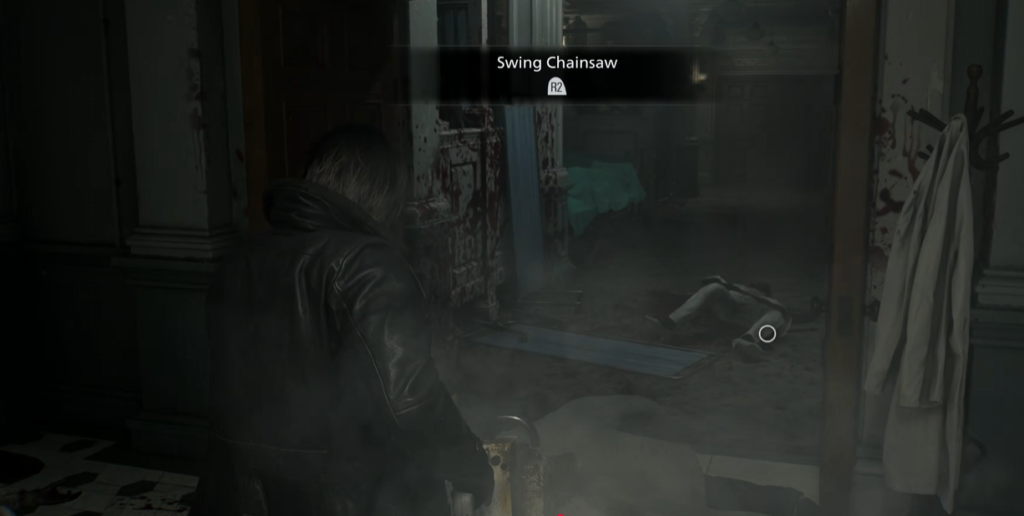
The redesign of the undead is equally impressive. These zombies aren’t just slow-moving monsters; they retain eerie traces of their past lives, like flicking light switches or muttering to themselves. This makes them far more unsettling than the animalistic foes of Resident Evil Village. Boss encounters are also a highlight, featuring creative mechanics like weak points that, when destroyed, can infect and mutate nearby enemies, adding a layer of risk management to every shot.
Final Verdict
Resident Evil Requiem is undeniably one of the strongest entries in the franchise, delivering two excellent but separate gameplay experiences. While the transition between Grace’s methodical horror and Leon’s explosive action is a bit jarring likened to being served whiskey and coke in separate glasses—the quality of both halves is undeniable. Grace Ashcroft is an immediate icon, and the survival horror on display in her sections is some of the best in years.
The main drawbacks are the structural pacing issues and the absence of a Mercenaries mode, which feels like a missed opportunity given Leon’s revamped combat toolkit. However, these flaws don’t overshadow the fact that from the first step into the sanatorium to the titan-sized climax, the game is completely absorbing. Whether you are crawling in fear or going guns blazing, Requiem delivers a premium horror experience.
FAQ
Q: Is Resident Evil Requiem scary or action-focused?
A: It’s both. The first half leans into survival horror with Grace, while the second half shifts to action with Leon.
Q: Do I need to know the lore to enjoy the story?
A: Familiarity helps, but Grace’s arc is self-contained enough for new players to follow without feeling lost.
Q: How long is the campaign? A: A standard playthrough takes about 10 hours, though completionists will likely spend more time hunting for notes and secrets.+1
Q: Who is more fun to play as, Grace or Leon?
A: It depends on your preference. Grace offers mechanical depth and tension, while Leon provides high-octane satisfaction.
Q: Will Mercenaries mode be added later?
A: There is no official confirmation, but given Capcom’s track record, it is a reasonable hope for a future update.