Diablo 4: Lord of Hatred Review – The Definitive Conclusion to the Age of Hatred
magicstarkApril 22, 2026
Bývalý profesionální esportový hráč, nyní SEO specialista, streamer, influencer a zakladetel společnosti Gamers Together s.r.o. Miluje deskové hry, žánr RPG a MMORPG.
Lord of Hatred is a meticulously polished expansion that atones for past sins, introduces a phenomenal new class, and finally grants endgame content meaningful depth.
Plusy
Fantastic and atmospheric new Skovos region with a stunning Mediterranean aesthetic.
The Warlock is one of the most enjoyable and well-designed classes in the series' history.
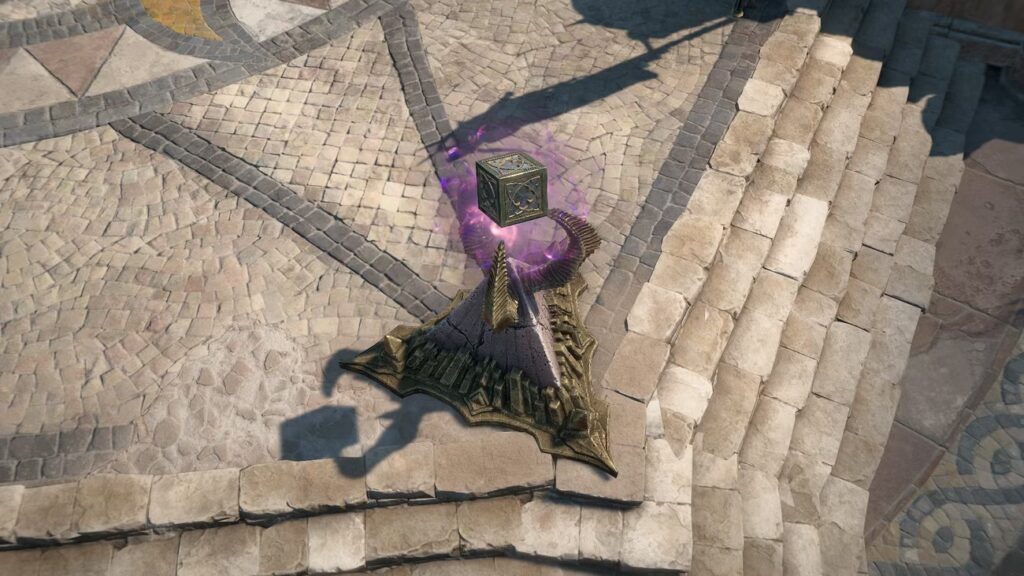
The return of the Horadric Cube fundamentally improves the crafting and itemization systems.
The new Talisman and Charms mechanic successfully replaces static passive bonuses.
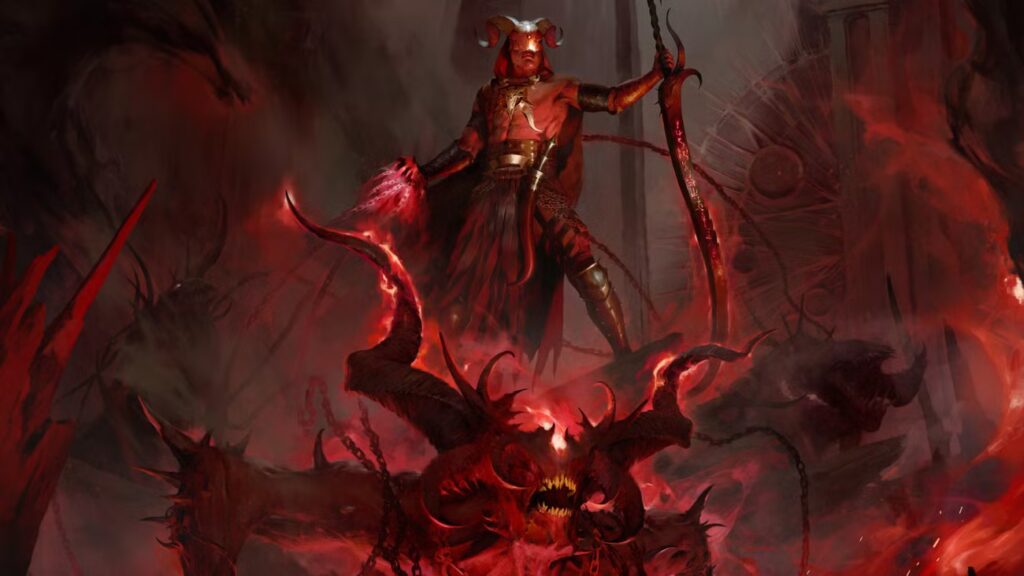
A satisfying conclusion to the Mephisto storyline and the "Age of Hatred" arc.
Mínusy
The new Skill Tree requires players to spend significant time adapting to the changes.
The Echoing Hatred activity feels a bit too similar to the existing Infernal Hordes.
Certain story twists might prove controversial for die-hard lore fans.
Hodnocení
9 / 10
Tested on: PC • Playtime: 14 hours • Platforms: PC, PlayStation 5, Xbox Series X/S, PS4, Xbox One • Genre: Action RPG / Hack & Slash • Price: $39.99 (Standard Edition) • Copy: Gifted by Publisher
What exactly is Diablo 4: Lord of Hatred?
As someone who has spent time in Sanctuary since day one and followed the Diablo series for years, I approached this expansion with high expectations and a touch of skepticism. The previous expansion, Vessel of Hatred, wasn’t bad, but it left a lingering taste of unfinished business, both in its narrative and its endgame content. However, Lord of Hatred arrives as a savior, tasked with closing the dramatic Age of Hatred arc and providing the true “capstone” experience the base game deserved.
This expansion isn’t just about a new map and story. This time, Blizzard bet on both nostalgia and innovation. The legendary Horadric Cube from the second installment returns, two brand-new classes – the Paladin and the Warlock – are introduced, and game systems are undergoing their most significant overhaul since launch. It is an ambitious package that seeks to integrate organically into the world of Diablo 4 to create a complex whole that satisfies even the most demanding genre veterans.
Story & Atmosphere
The journey to the new region begins intensely. Even before your feet touch solid ground, you must fend off attacks on the ship as you approach the Skovos islands, which are under the influence of Mephisto’s corruption. Once you dock in the port city of Temis, a world opens up that is unlike anything else in Diablo. The Mediterranean-inspired architecture feels fresh, and unlike the jungles of Nahantu, which I found visually monotonous, Skovos offers incredible diversity.
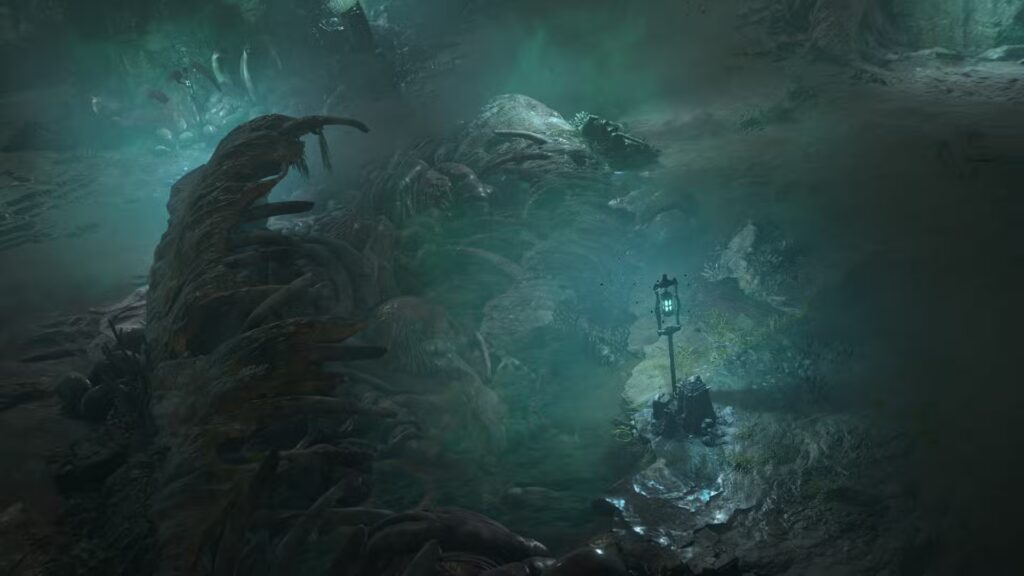
Exploring the individual islands is a joy. Each has a unique face – from sun-drenched coastlines to dense forests and misty mountain peaks, all the way to dangerous active volcanoes. Although the area is slightly smaller than Nahantu, the density of detail and the unique atmosphere make Skovos feel like a completely independent, mysterious world detached from the rest of Sanctuary. A chilling musical score and hordes of terrifying new enemies provide a perfect backdrop.
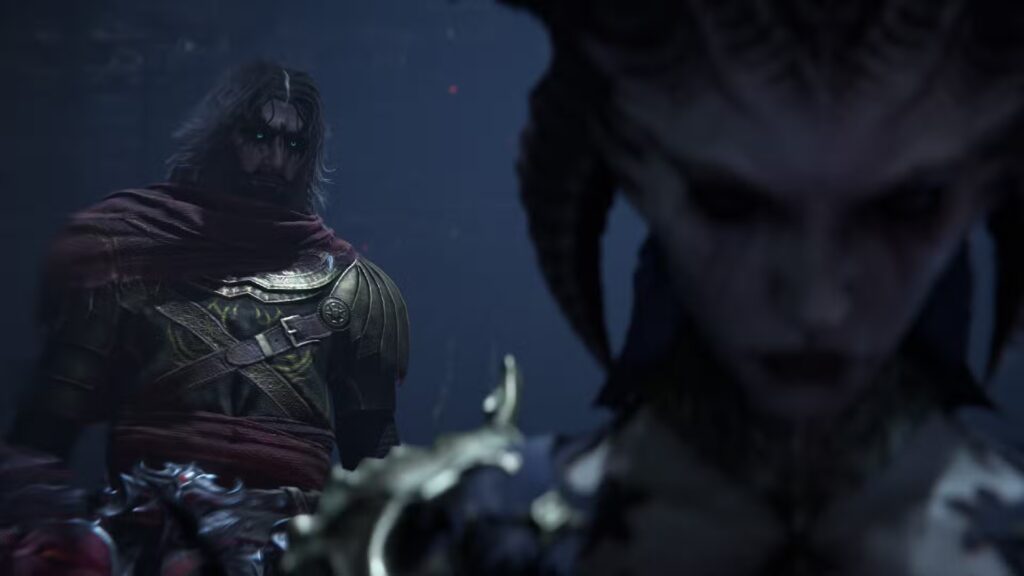
The story campaign is tailor-made for fans. While the previous expansion mostly just threw out hooks, Lord of Hatred isn’t afraid to play the game to its conclusion. The stakes are higher, the pace is more frantic, and the narrative has much more momentum. However, I must warn you that some narrative choices and story twists may spark heated discussions, as they revise what we took for granted from Vessel of Hatred in certain ways. Personally, I found it to be a brilliantly escalated finale.
Gameplay & Mechanics
The absolute star of the expansion is undoubtedly the Warlock. While the Paladin is a great addition, the Warlock completely consumed me. I tested a build focused on Legion Shards and demonology, which turned the game into the best summoner experience I’ve had in Diablo. The combination of the Command Fallen basic skill and the Bombardment core spell allows you to literally shower enemies with exploding demons. The feeling of summoning the Fiend of Abaddon with an Ultimate skill and having it sweep through hordes with a giant blade is simply priceless.
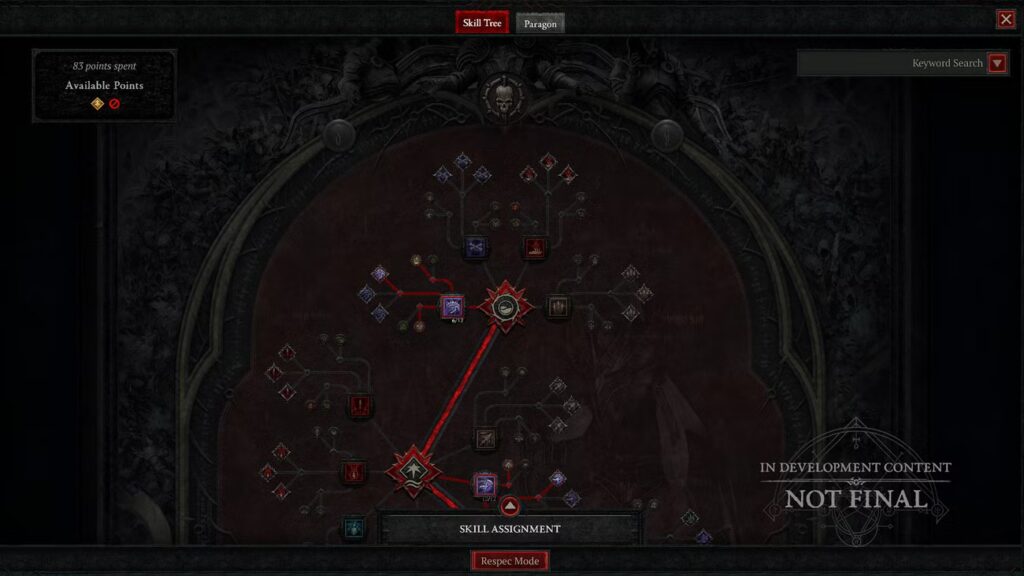
The Skill Tree has also undergone a fundamental transformation. Blizzard has done away with traditional passive nodes and replaced them with modifiers that directly change the functionality of active abilities. Each skill now has two choices that act as upgrades, and a final node that can even change the skill type itself. This opens up incredible possibilities for synergy with Unique items. It’s a change that will take some getting used to, but for build diversity and theorycrafting, it’s a step in the right direction.
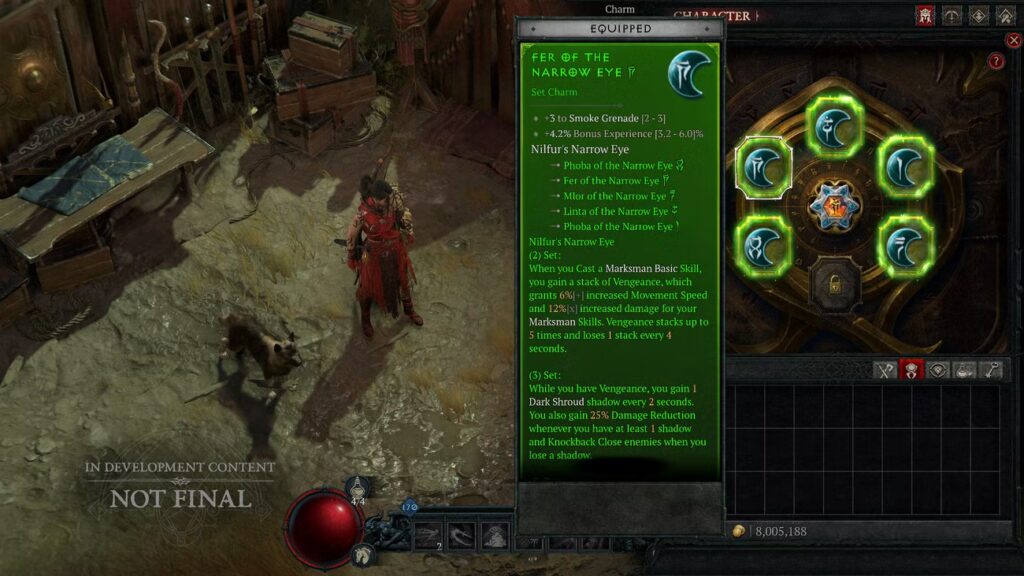
Another mechanical pillar is the Talisman and Charms mechanic. These effectively replace missing passives – you insert charms with passive bonuses into the Talisman, and if you put together set combinations (Set Charms), you gain powerful class-specific bonuses. All of this is complemented by the return of the Horadric Cube, which is a total game-changer. The ability to re-roll affixes or transmute common items into Uniques finally solves the eternal problem of an overabundance of “junk” loot. By the way, a Loot Filter has also been added, which the community has been waiting for forever.
Final Verdict
Diablo 4: Lord of Hatred is exactly the expansion the game needed to step out of the shadow of its own shortcomings. Blizzard has managed to blend nostalgic elements like the Horadric Cube with modern and bold innovations in the form of the redesigned skill tree. The new Skovos region is a visual masterpiece that outshines previous regions with its variability, and the Warlock gameplay is so addictive that you’ll find it hard to go back to other classes.
While some endgame elements like Echoing Hatred may feel a bit recycled, the overall package of features – including the new War Plans system and Torment 12 difficulty – offers hundreds of hours of fun. The addition of fishing is also a pleasant surprise, serving as a great way to relax between slaughtering demons. If you’re a fan of Diablo, Lord of Hatred is a must. It’s a confident, deep, and immensely enjoyable conclusion to a major chapter.
FAQ
Q: Do I need to have played Vessel of Hatred to play Lord of Hatred? A: Yes, Lord of Hatred directly follows the events of Vessel of Hatred, and both the base game and the previous expansion are required.
Q: What is the maximum level in this expansion? A: With the launch of Lord of Hatred, the level cap was increased and the level system was completely overhauled as part of a free update.
Q: Are there Set Items in the expansion? A: You won’t find classic sets from Diablo 3 here, but the Set Charms system in the Talisman acts as a modern and more flexible replacement.
Q: How does the new fishing system work? A: You unlock fishing through a special quest. It is used to collect resources and collectible fish that can be found throughout Skovos.
Q: Is the Warlock stronger than the Necromancer? A: The Warlock offers a different style of “summoner” gameplay. While the Necro relies on an army of skeletons, the Warlock uses more aggressive demons and devastating area-of-effect spells.
Díky moc za tenhle návod! Hledal jsem toho jeřába v AC Shadows asi hodinu, než jsem si uvědomil, že musím počkat na zimu..
Jožko42
★★★★★
Díky za tip Magicu, další skvělá recenze .. úpřimně, mohl bys dělat více na hardware a méně na hry, tohle mě osobně více zajímá, než klasické recenze na hry, které stejně píše každý … ale koupit, otestovat a konstruktivně napsat recenzi na hardware je úplně jiný level!
Efko
★★★★★
Falpatin má pravdu, ani veľký streamery to nemajú takto prepracované, klobúk dole 🙂 a snáď sa to rozbehne oveľa viac
Falpatin
★★★★★
Snad se tímto dospěje konečně k té aktivitě, které si je Magic hoden. Jinak provedení této akce se mi libí a je to i kreativní
ElderFan2006
★★★★★
Super recenze. Souhlasím s tím hodnocením, taky mi přijde, že za ty prachy toho mohli přidat víc. Ale i tak se nedokážu odtrhnout, už jsem tam nahrál 40 hodin 😄
Stepsiskiller
★★★★★
Souhlasím s tím hodnocením úplně přesně. Hrála jsem Oblivion jako malá a teď si to užívám znovu, ale ta cena je fakt přestřelená na to, jak málo nového obsahu tam je. Každopádně díky za super review!
Hardcorista
★★★★★
Reboot LOTF stojí za to. Ten dvojí svět dává silent-hill vibe, jdu do toho!
Dunefangirl
★★★★★
Objednávka po půlnoci a klíč do 2 minut! Bonusové skiny zbraní vypadají skvěle.
EldenRingáč
★★★★★
Soundtrack Deluxe edice Lords of the Fallen je top! Díky za super cenu a rychlé dodání.
Gamerka69
★★★★★
Už několikrát jsem nakoupila a vždy bez problémů. Cena skvělá a rychlá podpora na Discordu!
Petr Masochist
★★★★★
Byl jsem skeptický ohledně nákupu u menšího e-shopu, ale klíč dorazil hned a vše legálně.
Tomáš Kolík
★★★★★
Klíč k Duně přišel okamžitě a aktivace proběhla bez problémů. Oproti Steamu jsem ušetřil 300 Kč.