


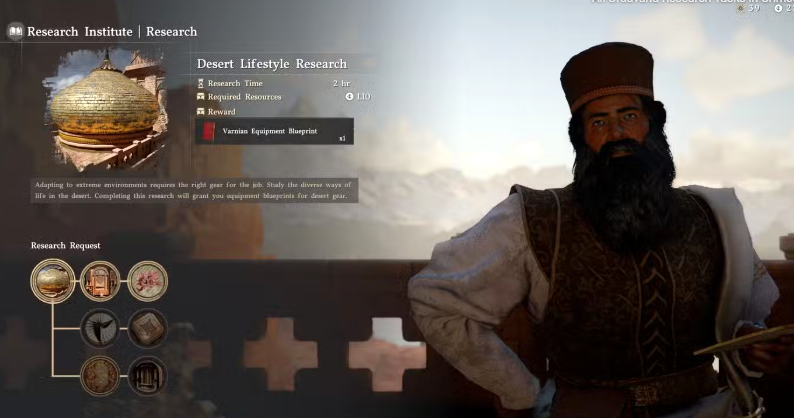

If you’ve already been sweating under the scorching sun in the harsh world of Crimson Desert, you know that without proper gear and attribute optimization, you won’t get far. The key to surviving the inhospitable wastes lies within the Urdavah Research Institute. Reminiscent of the technological hubs in the Final Fantasy series or the research stations in Horizon Forbidden West, this institute opens the door to unique blueprints, stamina increases, and advanced technologies that you won’t find in standard shops.
Where to Find the Urdavah Research Institute and Valtus
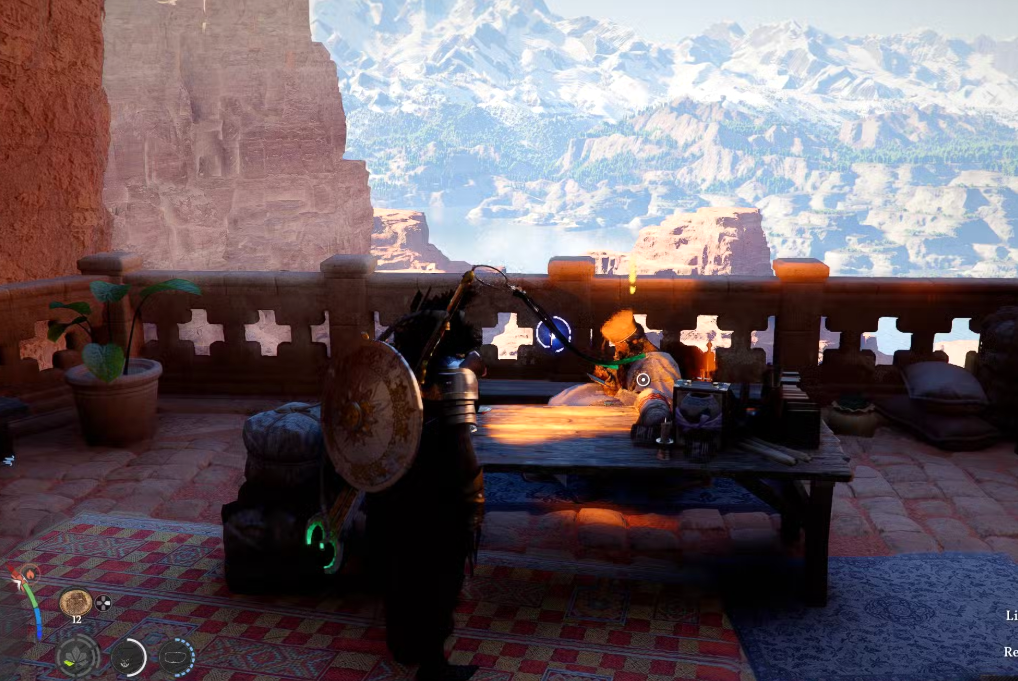

The research center is located in the northern part of the Crimson Desert region, directly within the fortified city of Urdavaha. While the story naturally leads you here in Chapter 9, impatient players can find a way to reach it much earlier.
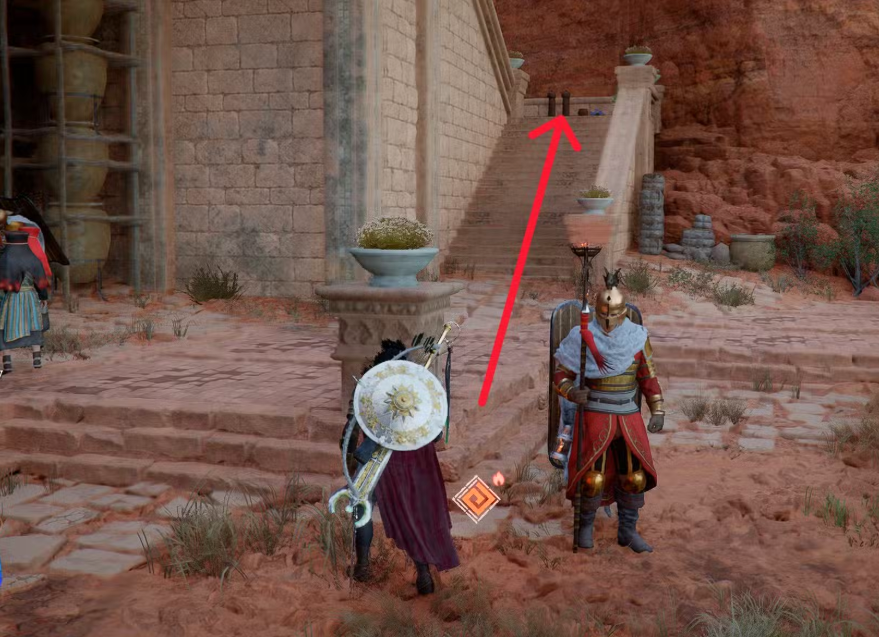
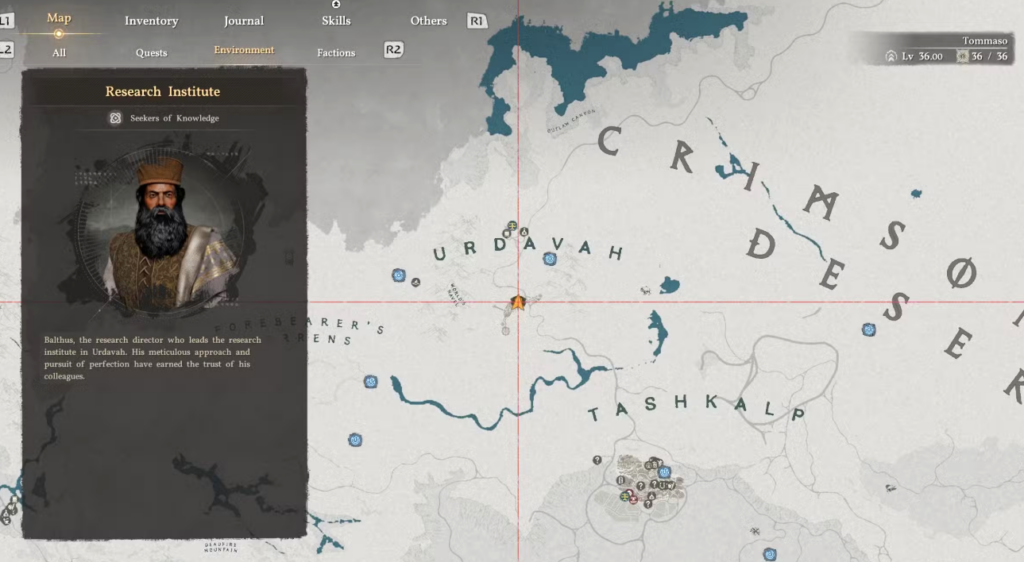
- Pre-Chapter 9 Route: Head north through the rocky mountains in the desert region. Look for the Abyss Nexus (fast travel point) at the top of the cliffs to make future returns easier.
- Finding the Director: Once inside the walls of Urdavaha, look for the Research Director named Valtus. He is located on the middle floor of the institute.
- How to Reach Him: Use the elevator to reach the balcony area where Valtus is usually found writing his notes.
- Interaction Tip: If Valtus refuses to speak with you, cross the hallway to the opposite room, examine the golden statue, and then return to him. This small ritual should make the dialogue available.
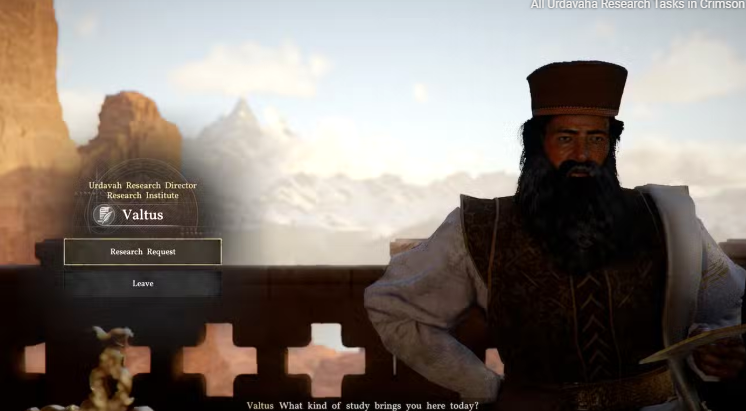

List of All Research Tasks
Every research project requires a specific amount of time (in real or in-game hours) and an investment of Silver Coins. Here is a complete overview of what you can research with Valtus:
| Research Task | Time & Resources | Unlocks |
| Desert Lifestyle Research | 2 Hours / 1.10 Silver | Blueprints for specialized desert gear. |
| Bioenergy Amplification | 9 Hours / 11 Silver | Significantly increased energy gain from cooking. |
| Red Seaweed Research | 18 Hours / 12 Silver | Ability to increase Max Stamina (up to Lvl 14). |
| Wind Energy Fusion Device | 6 Hours / 7 Silver | Crafting for Propeller Spear, Gale Shield, and Air Blaster. |
| High Capacity Energy Power | 22 Hours / 70 Silver | Crafting for A.T.A.G. Plating Mk II and Mk III. |
| Gold Vein Research | 8 Hours / 130 Silver | New research path utilizing Gold Veins. |
| Circulating Energy Research | 20 Hours / 100 Silver | Various blueprints for powerful accessories. |
The Importance of Research for Gameplay
Urdavah research is more than just a cosmetic addition. For example, Red Seaweed Research is absolutely critical for the endgame; without it, your stamina will cap at level 10, leaving you unable to scale the world’s highest peaks. Similarly, Wind Energy Fusion unlocks gameplay elements like the Gale Shield, which fundamentally changes the dynamics of combat and traversal.
Editor’s Take
The Urdavah Research Institute is essentially the “brain” of your progression in Crimson Desert. We appreciate that the game doesn’t just force you into mindless grinding but requires actual planning—some research takes up to 22 hours, making it ideal to start a project right before you log off for the day. We definitely recommend starting with Bioenergy Amplification, as the cooking bonuses are often the only thing standing between you and a “Game Over” screen during tough boss fights like Antumbra’s Sword.
FAQ
Q: Can I start research before reaching Chapter 9?
A: Yes. If you manage to navigate the mountains and activate the Abyss Nexus in Urdavaha, you can visit Valtus early. However, some specific tasks may have additional story-related prerequisites.
Q: How can I speed up the research time?
A: Time continues to pass while you explore the world. Simply assign the task and go about your business—questing, crafting, or grinding in other regions.
Q: What is the Wind Energy Fusion Device useful for?
A: This research allows you to send out mission dispatches to gather materials for unique wind-elemental weapons and shields, such as the Gale Shield.
Q: What should I do if the research stalls (e.g., Red Seaweed)?
A: In some cases, you must speak with the Research Assistant or provide a specific sample (like a single piece of seaweed) after a certain amount of time has passed to resume progress.
