
Top-down action RPGs have thrived for years, powering games like Lost Ark, Hades, Path of Exile, Titan Quest, and more. But for many longtime players, Diablo and Diablo II were the titles that made this perspective feel definitive, a distinct mix of RPG progression and satisfying, immediate combat. Sanctuary has always been a place where catastrophe feels inevitable, where demons and sometimes even angels loom over humanity, and where the “greater” and “lesser” evils are never far from the next tragedy. Diablo IV doesn’t just continue that legacy, it leans into it with a confidence the series hasn’t shown in years.
The franchise has been pulling players into its Heaven-versus-Hell nightmare since 1997. (It’s also a neat bit of history that the original game’s development roots trace back to Condor, later renamed Blizzard North.) That oppressive atmosphere has always been Diablo’s calling card, and Diablo IV pushes the tone harder than ever. It’s cohesive from top to bottom: story beats flow naturally into exploration, visuals reinforce the world’s misery, and character and enemy designs feel like they were built for a setting that’s constantly one bad day away from collapse.
Story, Cutscenes, and Immersion
Diablo IV opens with a cinematic that immediately signals Blizzard’s priorities. Your custom character appears in the cutscene itself, complete with the scars, hair choices, and details you selected. Player characters showing up in cinematics isn’t new, but the level of polish here is striking. It’s the first sign that Diablo IV wants you to feel like you’re not just watching Sanctuary’s downfall, you’re part of it.
The voice acting is consistently strong, too. Even side characters are performed with a level of care that makes the world feel lived-in, and Blizzard’s hallmark “movie-quality” cinematics remain among the best in the industry.
The campaign is also some of Blizzard’s strongest storytelling in a long time. It’s worth experiencing unspoiled if you can. The pacing starts intimate and grounded, then steadily widens its scope until the finale lands in a way that feels both complete and clearly positioned to set up what comes next. It’s longer than many previous Diablo campaigns and is filled with grotesque moments that can genuinely make you wince. That said, this is Diablo. Horror, blood, and cruelty have always been part of the package.
You do need to accept one thing up front: the campaign is largely linear. There aren’t major decisions that reshape the narrative. Some players will wish for more agency, but Blizzard’s approach has a benefit: the story is focused, directed, and confident about what it wants to be. If you’re brand new to Diablo lore, you might miss some of the references and callbacks, yet the core conflict and the important themes are clear enough to follow without a deep background.
Side Quests That Actually Matter
Diablo IV’s side content does a lot of heavy lifting for worldbuilding. Side quests can begin from NPCs in cities and outposts, or even from items that drop after a kill, and many of them feel like complete short stories rather than filler. Some remain small and sharp, others branch into multi-step questlines that are easy to remember long after you finish them.
Visuals, Atmosphere, and World Design
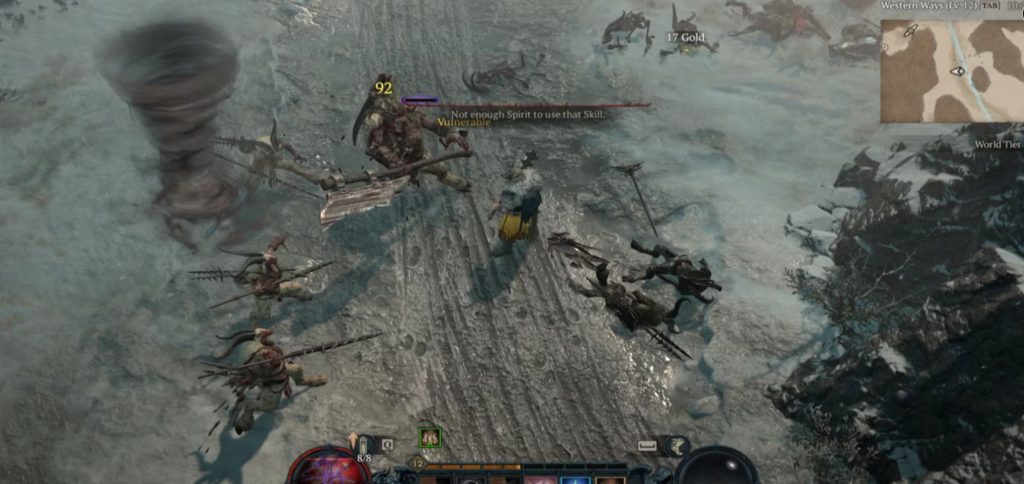
Whether you install the high-resolution texture pack or not, Diablo IV looks excellent. If your hardware can handle the higher-res assets, the improvements are real, though they tend to stand out most when you zoom in. The art direction does the rest of the work: torchlight catches dungeon corners just enough to make you nervous, forests feel hostile even when nothing is moving, and the textures across dirt, sand, and grass look remarkably crisp. Even brighter spaces, like mountain routes and coastal areas, are crafted with real care.
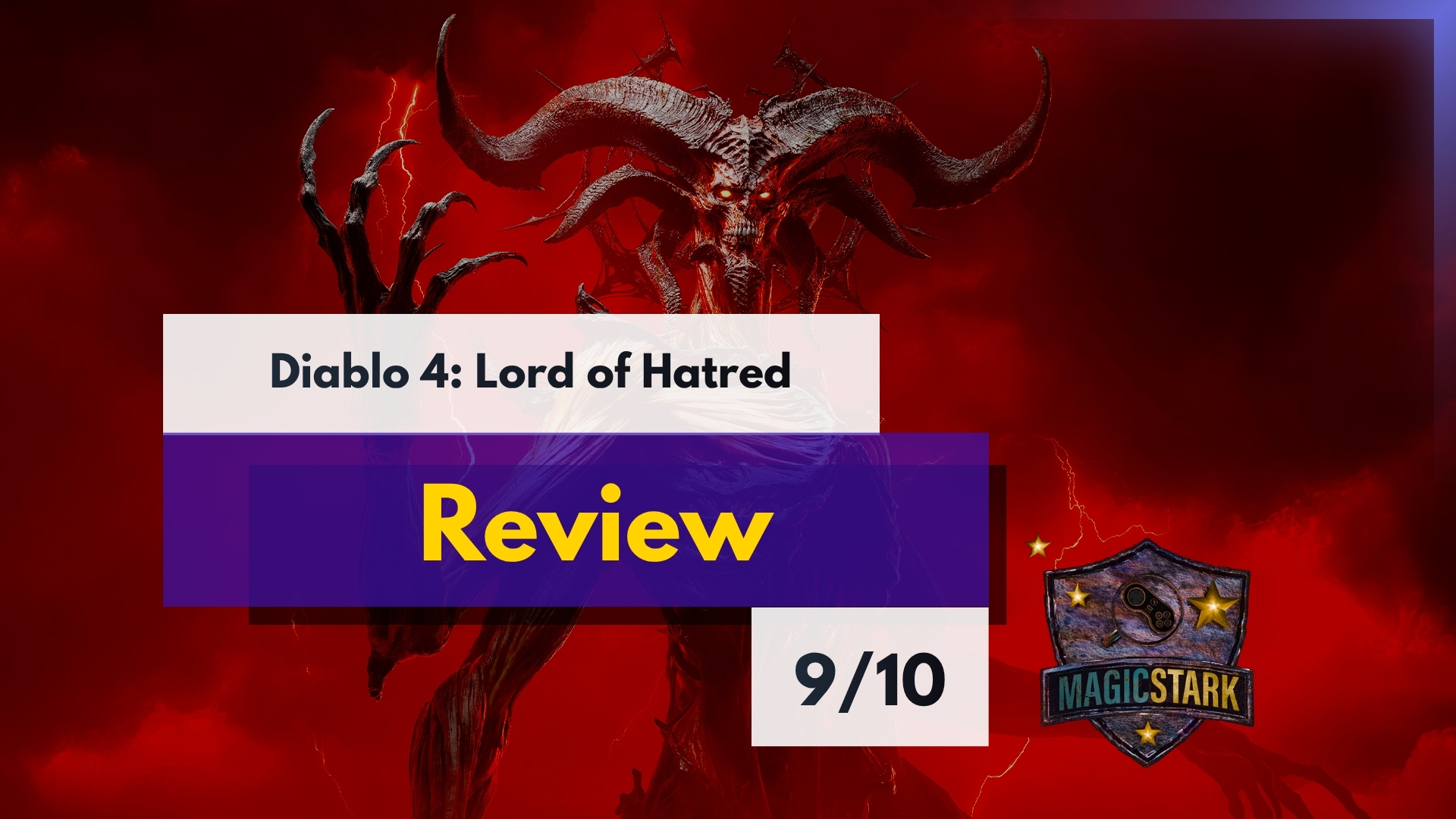
Lilith’s design deserves a special mention. She’s intimidating, distinctive, and instantly iconic, and she’s supported by a roster of enemies and bosses that may be the best-looking in the series so far. You’ll also encounter a healthy range of enemy types across zones, which keeps exploration from becoming visually stale.
There are a couple small presentation quirks. The way light seems “attached” to the player at times can look odd, as if an invisible lamp is always shining from your character’s chest. It becomes easier to ignore the longer you play. There’s also a day-night cycle that changes the mood of environments, but it never gets so dark that visibility becomes a problem.
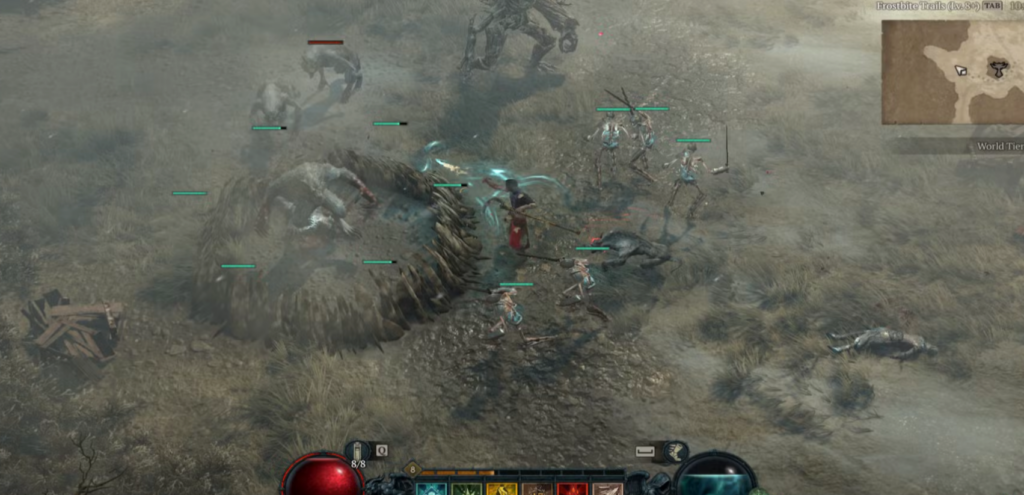
One area where Diablo IV quietly excels is elevation. Not every top-down ARPG handles height well, but Diablo IV uses cliffs, dunes, hills, and layered terrain to make the world feel more physical. Running over massive dunes or looking down into enemy camps from above adds dimension that Diablo III rarely attempted. Occasionally, elevation-based travel can make certain quest steps feel repetitive, especially when you’re sent back and forth along the same paths, but those moments are relatively rare in the main campaign.
Combat Feedback and Animation Detail
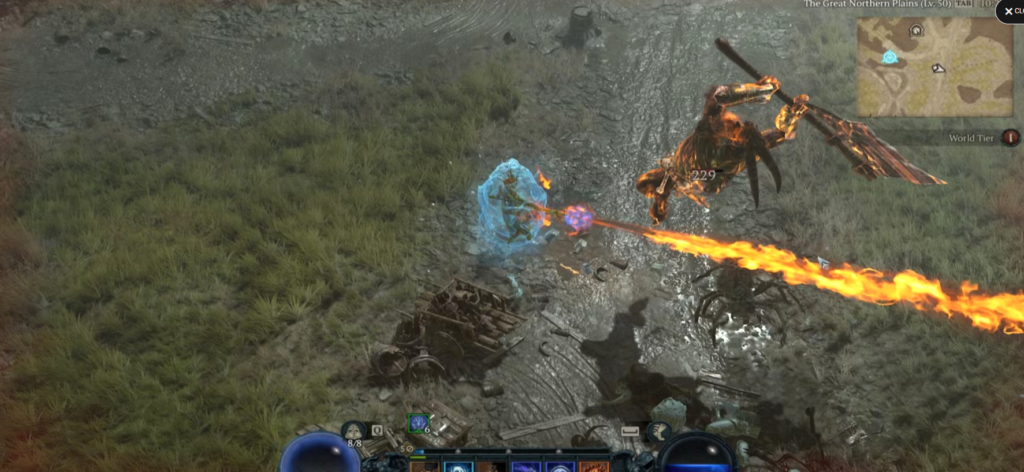
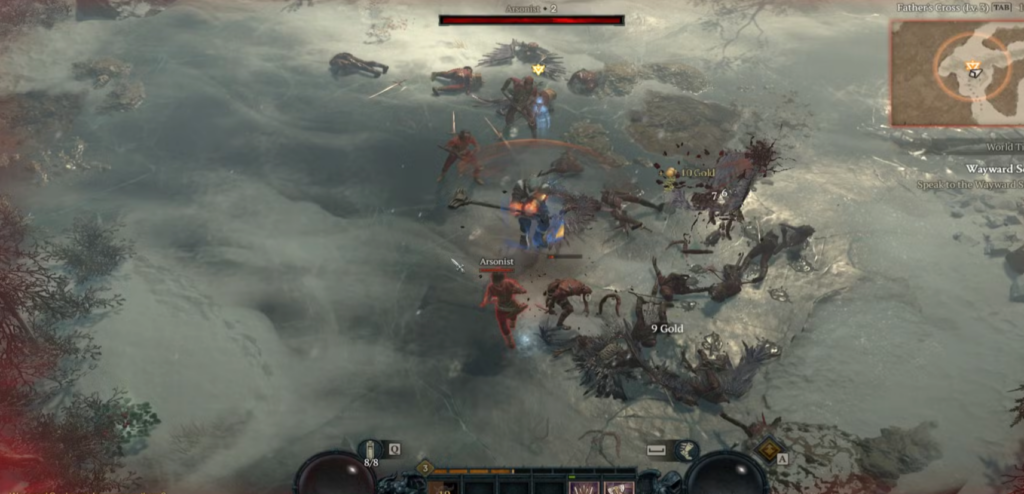
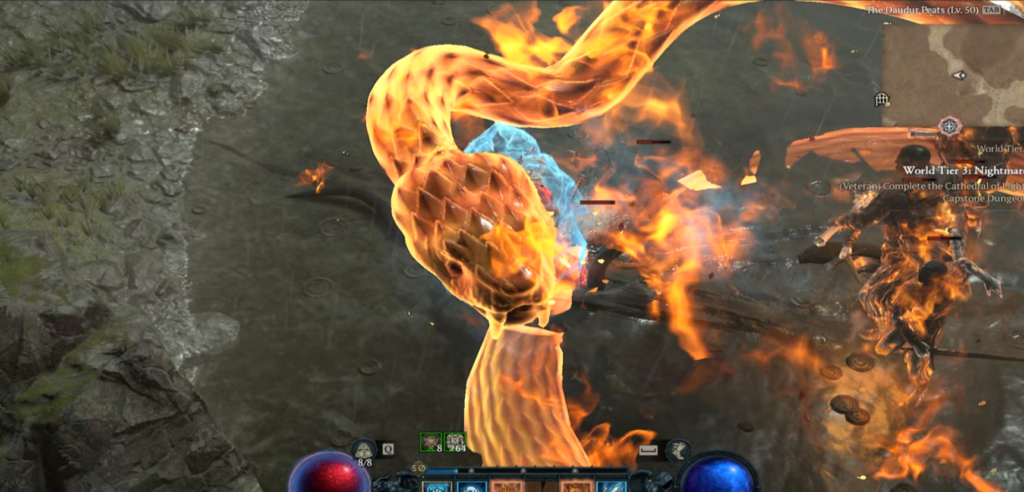
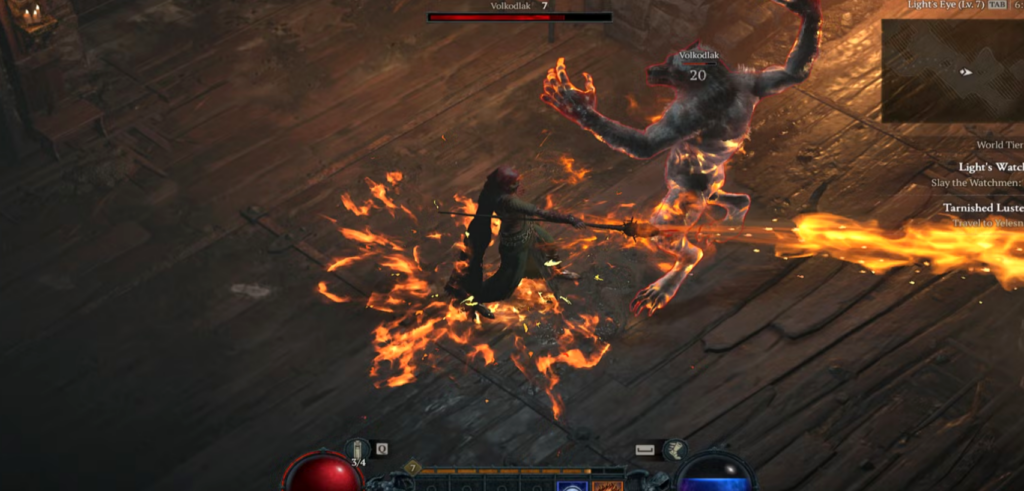
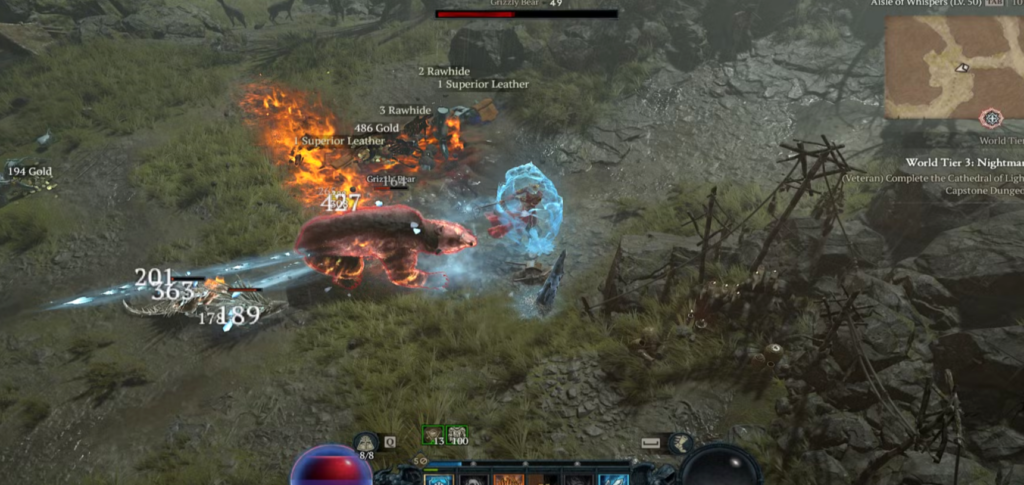
Blizzard poured a lot of love into spell effects and combat animation. When something freezes, you see directional icicles and rigid, brittle movement; when fire finishes a foe, the result can be a charred skeleton left behind. Physical strikes have the same attention, with larger attacks cleaving enemies apart in ways that feel satisfyingly brutal. The action is punchy and readable, and most skills feel like they have a purpose, even if a handful seem niche until the right build makes them shine.
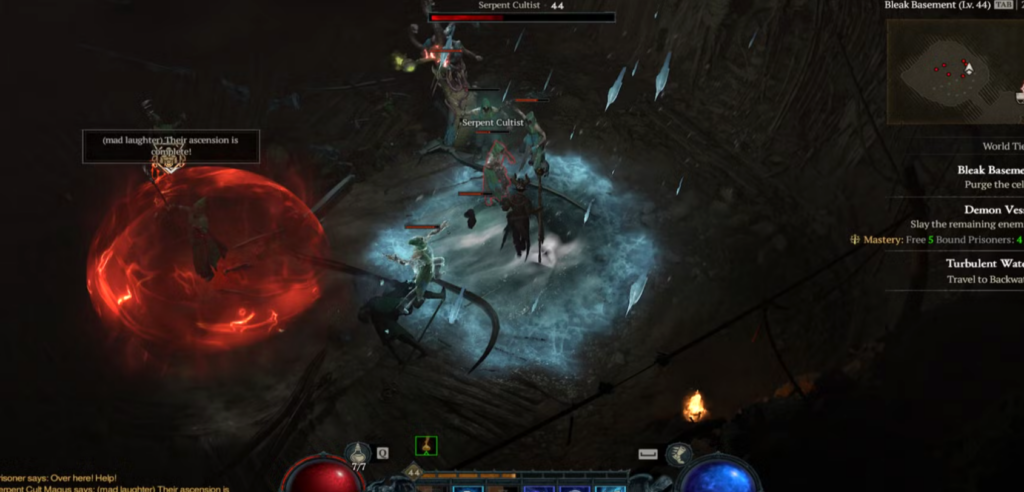
A minor downside is persistence: blood, bodies, and gore disappear fairly quickly. That’s likely a performance choice, and it probably won’t bother most players, but it’s noticeable if you love the aftermath of a hard fight.
Classes and Build Variety
Diablo IV’s class lineup is excellent, and choosing a main feels harder than it should because so many options are genuinely fun. Barbarian, Sorceress, Rogue, Druid, and Necromancer each feel distinct, and while the base skill trees aren’t as massive as some competing ARPGs, they still offer plenty of meaningful decisions.
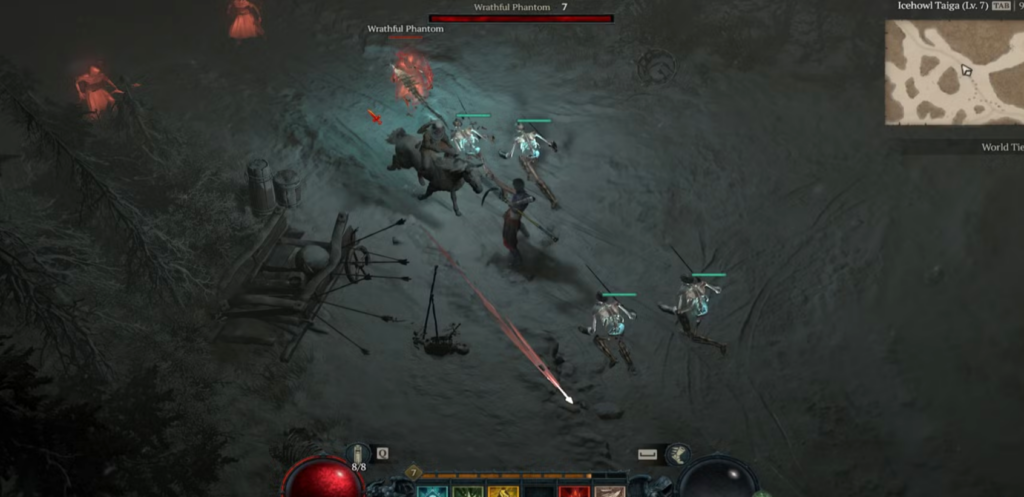
Each class also has its own identity system that changes how you approach builds. The Necromancer’s Book of the Dead offers minion and self-buff choices that meaningfully shape playstyle. The Barbarian’s ability to carry multiple weapons and customize expertise adds depth that goes beyond “hit harder.” Even without some of the weirder flavor from past games, the moment-to-moment gameplay is strong enough to stand on its own.
Activities, Endgame Hooks, and the Risk of Repetition
Outside the main story, Diablo IV gives you a lot to do. Strongholds, world bosses, Altars of Lilith, region renown, roaming events, dungeon diving, and PvP create a huge checklist even before you reach the true endgame layers. After the campaign, systems expand further through late-game progression and higher world tiers, and it can take a long time before most players feel like they’re running out of goals.
That said, some repetition is inevitable. A lot of objectives boil down to killing targets, collecting drops from enemies, charging objects by clearing areas, or doing a slightly remixed version of the same loop. “It’s Diablo, killing is the point” is a fair defense, but burnout is still possible if you’re sensitive to repeated structures.
Level Scaling and Campaign Skip
One of Diablo IV’s smartest decisions is its level scaling. Once you meet a region’s minimum level requirements, revisiting that zone remains rewarding, because enemies and loot continue to match your character. Some areas are still dangerous until you reach their suggested level, which can slow down early free-roaming exploration, but the campaign generally guides you smoothly through the map.
This matters even more because Diablo IV lets you skip the campaign on new characters after you’ve completed it once. It’s a huge quality-of-life improvement, letting you roll alts and dive straight into progression and experimentation without replaying the entire story.
Crafting, Aspects, and the Paragon Board
Crafting is dramatically improved compared to Diablo III. The Aspect system is a standout: extracting legendary powers and imprinting them onto new gear makes loot more flexible and makes build planning feel deeper. Turning a rare item into a legendary through imprinting also reduces the feeling that you’re constantly vendor-clicking without thinking, though you’ll still sell and salvage plenty to keep up with materials and gold demands.
The Paragon Board is where Diablo IV really opens up for build-crafters. Starting at level 50, it layers long-term progression onto your character with interconnected nodes that provide stat bumps and powerful bonuses. It looks intimidating at first, but by the time you reach it, you usually know the general direction you want to push your build. The result is a satisfying stack of systems that feed into each other: skills support gear choices, gear choices shape paragon priorities, and paragon amplifies your core identity.
Final Thoughts
Diablo IV feels like a game built from decades of lessons, both the victories and the missteps. It’s polished, atmospheric, and mechanically rewarding, with excellent presentation and a surprisingly strong story foundation for future expansions. The endgame structure and build systems offer depth without becoming completely impenetrable, and the sheer amount of content ensures most players will be busy for a long time.
If you’re here for grim storytelling, crunchy progression, and the classic “one more run” loot chase, Diablo IV delivers, and it does so with an identity that feels unmistakably Diablo.