
What Exactly is God of War Sons of Sparta?
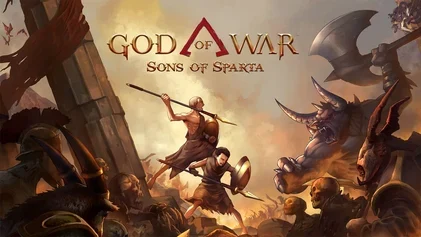
It was a shock that no one saw coming. During the February 2026 PlayStation State of Play, Sony announced and immediately shadow-dropped God of War Sons of Sparta. This surprise release takes us back to when Kratos was a young Spartan warrior. However, instead of an epic 3D adventure, we received a 2D action platformer with Metroidvania aspirations.
The intention of the developers at Santa Monica Studio was clear: keep the brand relevant while the next major installment is in development. A smaller project means lower risk and room for experimentation. In theory, it sounds great, but in practice, Sons of Sparta hits the limits of its own ambition. It feels like the game can’t decide if it wants to be a full-fledged entry or just a forgettable spin-off.
Players step into the sandals of young Kratos, who, alongside his brother Deimos, learns the true meaning of duty to the army and family. This entire epic is narrated as a story told by an older Kratos to his daughter Calliope. While this storytelling element is refreshing, the gameplay itself is far from divine perfection.
Story & Atmosphere
The narrative framework is honestly one of the few ideas that truly works. Watching Kratos reflect on his past through storytelling adds a layer of depth you wouldn’t expect from a 2D platformer. The biggest draw is the return of TC Carson, whose iconic voice immediately evokes the atmosphere of the original series entries.nchor — one of the few moments where you actually feel like you’re in the God of War universe.
The problem is that young Kratos doesn’t feel like Kratos at all. That signature weight, that sheer presence tThe problem arises when you focus on the characters themselves. Young Kratos in this iteration lacks the magnetic weight of personality we’ve grown accustomed to. His relationship with Deimos is the heart of the story, yet their interactions suffer from constant repetition. Dialogues loop in a cycle: argument, persuasion, resigned agreement. And you are forced to watch it all without the option to skip.
Furthermore, there’s a lingering feeling that the game could have existed without the God of War license. Aside from two or three moments that wink at the main canon, the story is largely interchangeable. Kratos and Deimos could have been replaced by any pair of anonymous Spartans, and the experience would remain virtually unchanged, which is a letdown for such a powerful brand.
Gameplay & Mechanics
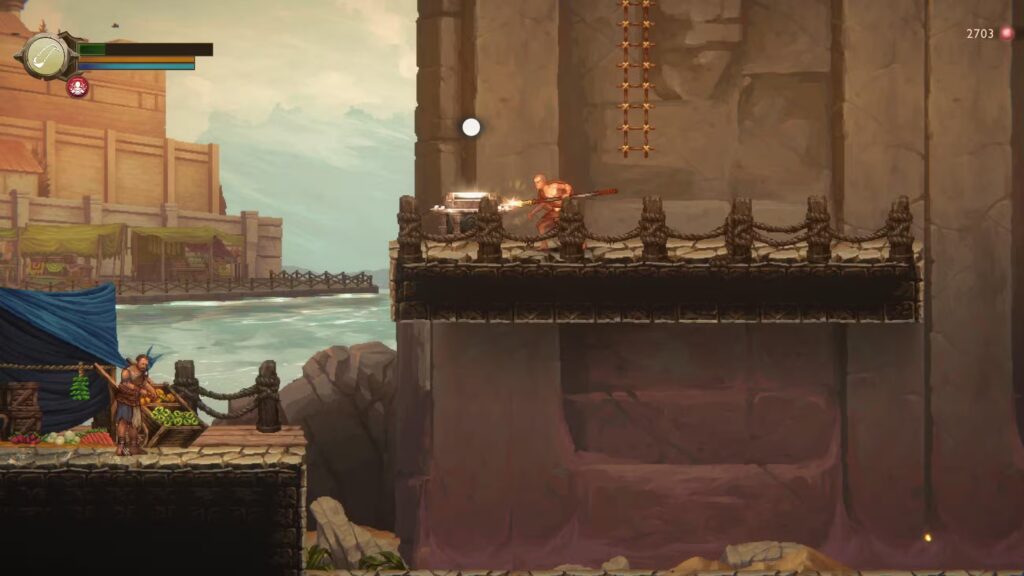
Let’s be clear: Sons of Sparta is not a full-fledged Metroidvania. It is a linear 2D action game wearing a Metroidvania coat. While genre classics build on organic discovery and complex world interconnection, the map here feels like a collection of unrelated corridors. Backtracking feels more like a chore than a rewarding exploration.
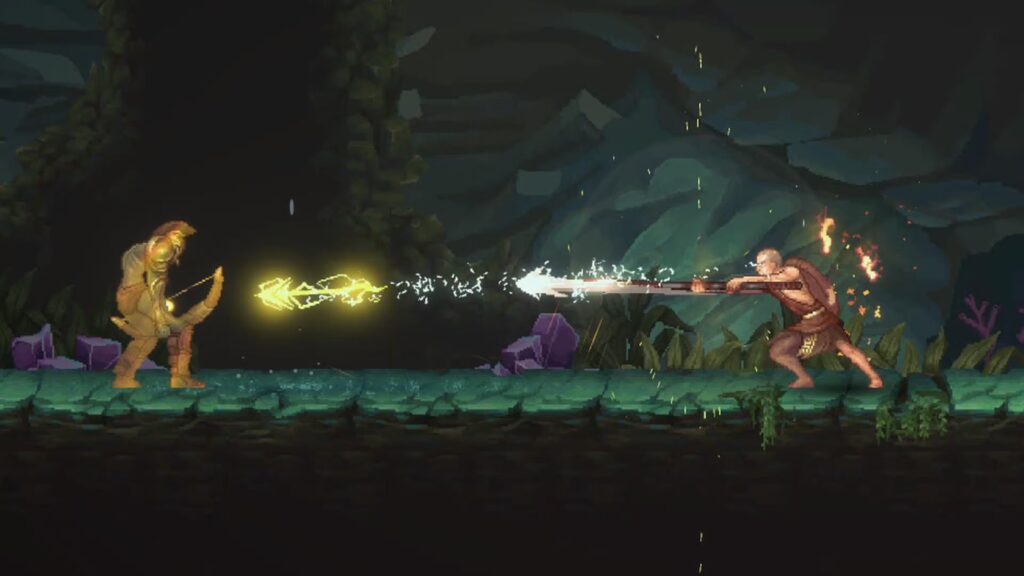
The Gifts from Olympus abilities do unlock new paths, but they do so in such an explicit way that any sense of discovery is lost. The game simply tells you: “Use lightning here,” and you do. Exploring side content, such as collecting owls or opening Gorgon Doors, feels like “barebones” filler intended to stretch the playtime.
However, everything changes in the second half. Once the game stops holding your hand, the difficulty spikes, and the boss fights finally start to shine. This is where the game demands a precise understanding of Kratos’ attack patterns and positioning. It’s the moment Sons of Sparta finally finds its breath, but for many players, four hours of boredom might already be too much.
Where the Game Actually Works
The first half of Sons of Sparta is painfully slow. It plays like an extended tutorial that doesn’t fully trust the player, easing you into mechanics that never feel particularly complex to begin with.
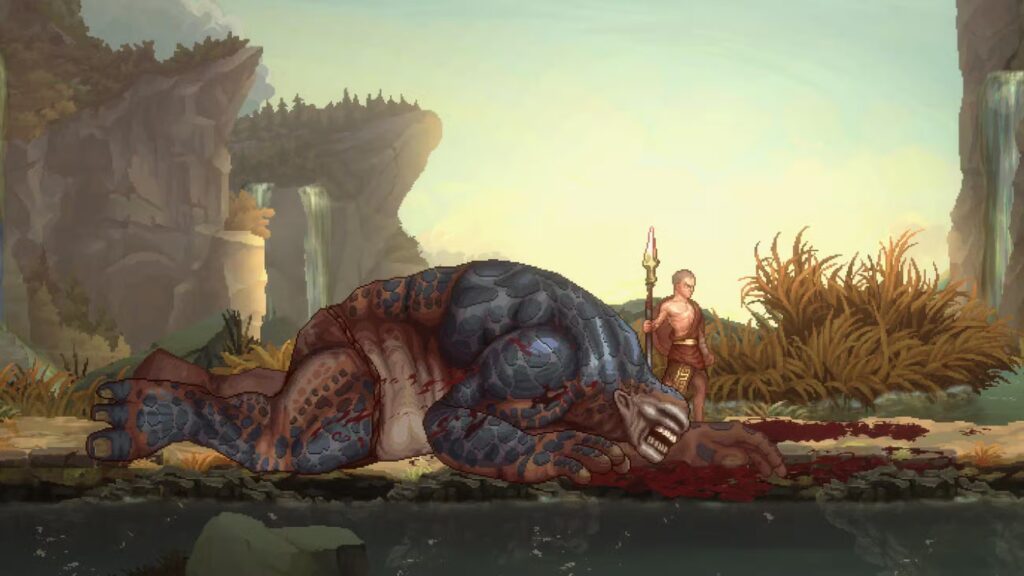
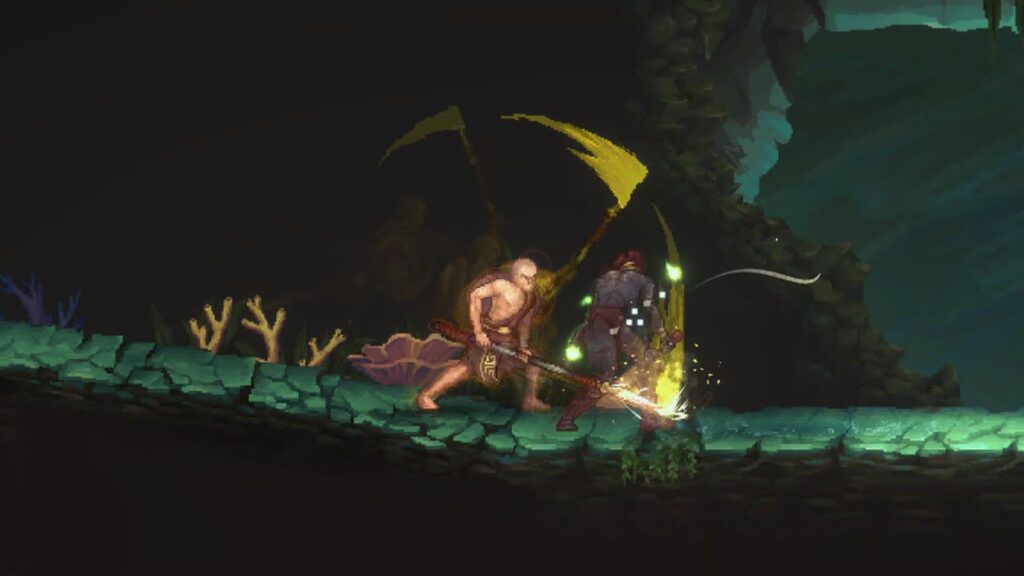
The second half is genuinely better. Boss encounters start demanding more from you, environmental challenges become more layered, and the game begins to test something it should have leaned into far earlier: movement and spatial awareness. Understanding Kratos’ attack combos, enemy patterns, positioning on the map — this is where Sons of Sparta finds its identity, however slim.
Equipment and upgrades do shift certain strategies in minor but noticeable ways. The problem is that these moments of actual engagement come too late and don’t develop far enough before the credits roll. Had the game reached this point sooner and built on it more aggressively, the overall experience would look very different.
The co-op mode is restricted to post-game content and brings nothing substantial to the table — it feels like an afterthought rather than a genuine addition.
Final Verdict
God of War Sons of Sparta is a textbook example of a game that is “not bad”—which is also its biggest problem. The design philosophy feels frozen in the early 2000s, which comes across as somewhat archaic in 2026. Technically, everything works; the controls are tight, and the late-game combat has real impact, but the overall experience is diluted by mediocrity and uninspired exploration.
If you are a die-hard fan and TC Carson’s voice is enough reason for you to buy in, go for it. You’ll get a solid 8–10 hours of action that won’t offend. However, if you’re looking for the next revolution in 2D platforming or a vital piece of the God of War lore, I recommend waiting for a significant sale.
Ultimately, the game feels like a “product” designed to fill the gap until the next big project. It will find its audience through nostalgia and a solid combo system, but in the historical records of the God of War series, it will likely remain just a small footnote. For fans of hardcore Metroidvanias, there are many better alternatives on the market.
FAQ
Q: Is God of War Sons of Sparta a true Metroidvania?
A: Not really. It’s more of a 2D action game with minor genre elements. The map connectivity and ability-gating are too shallow to meet the standards of the genre’s best titles.
Q: Do I need to know the previous games to understand the story?
A: No, the game works as a standalone prequel. However, fans will appreciate a few connecting moments that tie back to the main series lore.
Q: Can I skip cutscenes and dialogue?
A: Unfortunately, no. The game offers no skip option, which becomes a point of frustration during repetitive arguments between Kratos and Deimos.
Q: Does the game have a co-op mode?
A: Yes, but it’s only available as post-game content after finishing the main story. It is not part of the core campaign loop.
Q: How long is the game?
A: The main story takes about 6–8 hours. If you go for 100% completion (owls, lore entries, optional bosses), expect around 10–12 hours.